
Amazon Prep
Amazon FBA Box Size and Weight Limits Explained

By Alice Wu, CEO & Founder Published
Short answer
For Amazon US, a standard FBA carton should not exceed 25 inches on any side or 50 lb in weight, unless it holds a single oversized item. Pallets are 40 x 48 inches, up to 72 inches tall. Other marketplaces use different limits, so confirm in Seller Central.
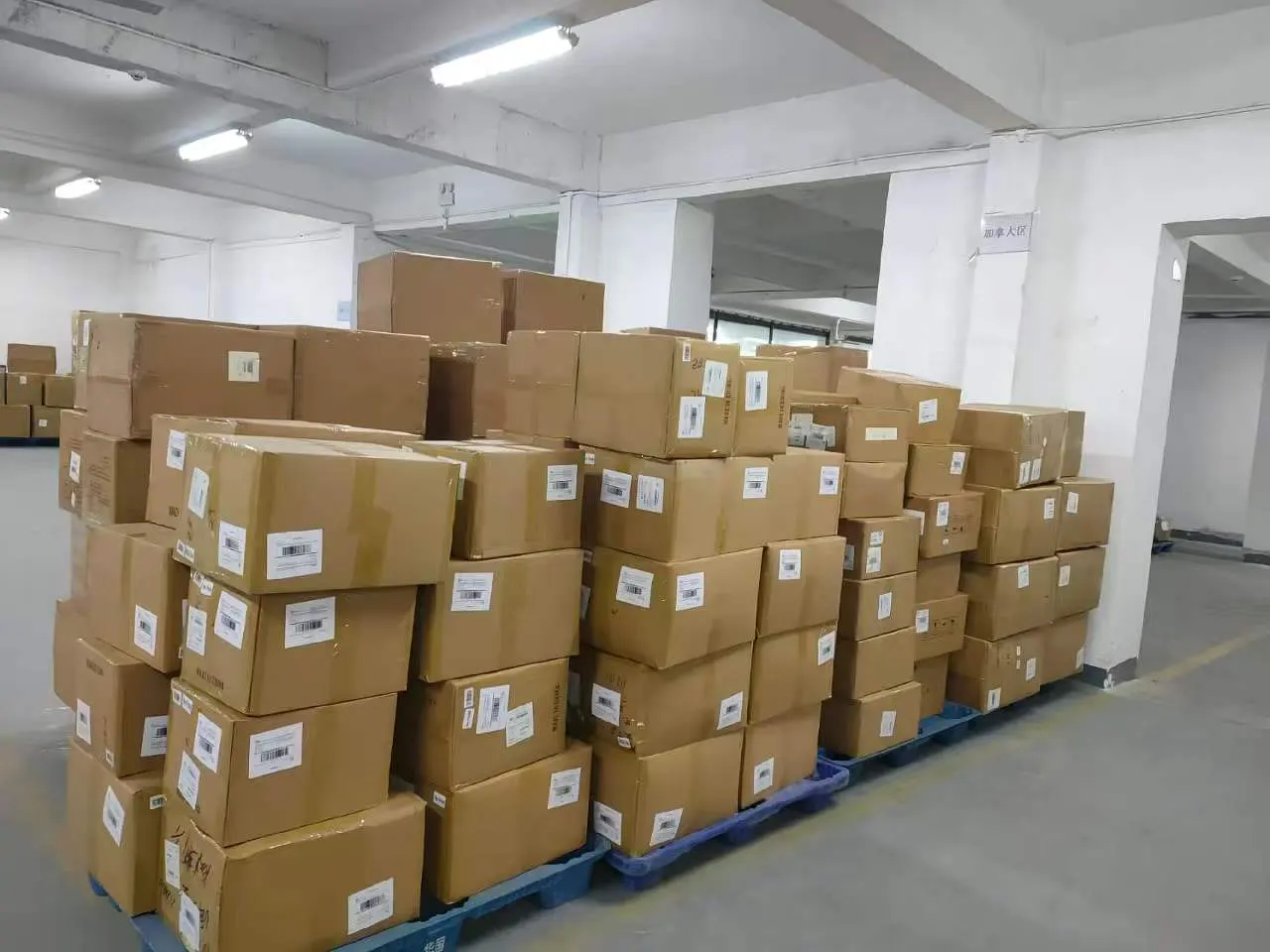
For Amazon US fulfillment centers, a standard shipping carton must not exceed 25 inches on any side and must not weigh more than 50 lb. The only common exception is a box that contains a single item which is itself larger or heavier than those limits. Pallets have their own rules: 40 x 48 inch wooden pallets, no taller than 72 inches including the pallet. Other marketplaces, such as the EU and UK, use different numbers, so always confirm the current limits in Seller Central for the marketplace you ship to.
These limits look simple, but they shape almost every packing decision: how many units go in a carton, what carton size you order, and whether a shipment goes as small parcel or as pallets. Getting them wrong can lead to refused cartons, extra fees or blocked shipments. This guide walks through the rules and how to plan around them.
The Core Limits for Amazon US
The table below summarizes the limits most sellers work with when shipping to Amazon US. Amazon updates its requirements from time to time, so treat this as a planning reference and check Seller Central before you finalize a shipment.
| Item | Amazon US limit | Exception or note |
|---|---|---|
| Carton dimensions | 25 inches maximum on any side | Allowed to exceed only if one single oversized item is larger than 25 inches |
| Carton weight | 50 lb maximum | Allowed to exceed only if the box holds one oversize item over 50 lb |
| Single item over 50 lb | “Team Lift” label required | Label on top and sides so handlers can see it |
| Single item over 100 lb | “Mechanical Lift” label required | Handled with equipment, not by hand |
| Pallet type | 40 x 48 inch wooden pallets | Check Seller Central for current pallet grade rules |
| Pallet height | 72 inches maximum, including the pallet | Measured from the floor to the top of the load |
| Pallet weight | Typically 1,500 lb maximum per single pallet | Confirm current figure for your shipment type |
Why the 25-Inch Rule Matters
The 25-inch limit applies to each side of the carton, not to the sum of the sides. A carton measuring 24 x 18 x 14 inches is fine. A carton measuring 26 x 12 x 10 inches is not, even though it is smaller in volume, because one side is over the limit.
This catches sellers who order long, flat cartons for products like posters, rods or yoga mats. If the product itself is not longer than 25 inches, the carton should not be either. If the product is longer, the box should contain only that one item.
When you design master cartons, measure the outside dimensions after packing. Corrugated board adds thickness, and a bulging carton can push a 24.5-inch box over the line.
The 50 lb Weight Cap and Lift Labels
The 50 lb cap exists to protect warehouse staff. A carton with many units in it must stay at or below 50 lb. If you are close to the limit, weigh real packed cartons rather than relying on calculated unit weights, because packaging, inserts and dividers add weight.
A carton can go over 50 lb only when it holds one single oversize item. In that case:
- Over 50 lb: apply a “Team Lift” label so it is lifted by two people.
- Over 100 lb: apply a “Mechanical Lift” label so it is moved with equipment.
Place these labels where they are clearly visible, typically on the top and sides of the carton. Check Seller Central for exact placement guidance.
Pallet Limits for LTL and FTL Shipments
If you ship by less-than-truckload or full truckload, cartons are usually palletized. The main points to plan for:
- Use 40 x 48 inch wooden pallets.
- Keep the total height at or below 72 inches, including the pallet itself.
- Keep each single pallet within the weight limit, typically 1,500 lb.
- Stack cartons so they do not overhang the pallet edges.
- Each carton on the pallet still needs its own FBA carton label, and the pallet needs its own pallet labels.
Pallet height is easy to exceed when cartons are stacked by eye. Plan the stacking pattern from the carton dimensions before goods are packed, so the warehouse knows how many layers fit.
Other Marketplaces Use Different Limits
Amazon’s EU and UK marketplaces do not use the US numbers. A 15 kg limit for standard boxes is commonly cited for some European fulfillment networks, with different dimension rules as well. Japan, Canada, Australia and other marketplaces each publish their own requirements.
Because these figures change and vary by program, check the current limits in Seller Central for each destination marketplace. If you ship the same product to several marketplaces, you may need different carton packs for each one.
How to Plan Carton Packs Around the Limits
A practical way to plan a master carton:
- Start with the unit. Measure and weigh one fully packaged unit, including its poly bag or retail box.
- Work out a grid. Calculate how many units fit in a layout that keeps every carton side at or under 25 inches.
- Check the weight. Multiply unit weight by units per carton and add the carton, fillers and dividers. Stay under 50 lb with some margin.
- Pack a sample carton. Weigh and measure it. Real cartons often differ from calculations.
- Check pallet fit. Confirm how many cartons fit per layer on a 40 x 48 inch pallet and how many layers stay under 72 inches.
- Fix the case pack. Use a consistent units-per-carton figure so receiving and labeling stay simple.
Keeping the case pack consistent also makes labeling easier. Every unit needs its correct FNSKU label, and every carton needs a carton label that matches its actual contents.
Common Mistakes
- Using a carton that is slightly over 25 inches because the supplier’s standard export carton is larger.
- Packing many small units into a heavy carton that goes over 50 lb.
- Applying a Team Lift label to a multi-unit carton instead of repacking it.
- Building pallets above 72 inches because the last layer was added without measuring.
- Assuming the US rules apply to EU or UK shipments.
Supplier export cartons are a frequent source of trouble. Factories often pack for sea freight efficiency, not for Amazon limits. If your supplier ships large, heavy cartons, they may need to be repacked before going to FBA.
FAQ
Can an FBA box be over 25 inches?
Only if it contains a single item that is itself larger than 25 inches. A carton holding multiple units must stay at or under 25 inches on every side for Amazon US.
What happens if my carton is over 50 lb?
If the carton holds multiple units, it should be repacked so it is at or under 50 lb. Only a box holding one oversize item can exceed 50 lb, and it needs a Team Lift label, or a Mechanical Lift label over 100 lb.
Do the same box limits apply to Amazon EU and UK?
No. EU and UK fulfillment networks publish their own limits, and a 15 kg box limit is commonly cited. Check the current figures in Seller Central for each marketplace.
How tall can an FBA pallet be?
For Amazon US, the commonly stated maximum is 72 inches including the pallet, on a 40 x 48 inch wooden pallet. Confirm the current figure for your shipment type in Seller Central.
Getting Cartons Right Before They Ship
If your supplier’s cartons do not meet the limits, the fix is usually to repack into correctly sized cartons before the goods leave the origin warehouse. We make custom shipping cartons in-house, with a MOQ of 500 per design, and can size them to your case pack. See boxes and cartons for details. Once cartons are packed, each unit and carton needs correct labels; our FNSKU labeling service covers unit and carton labels before goods ship to Amazon.