
Freight & Logistics
Peak Season Shipping from China: When to Book Before Chinese New Year and Q4

By Alice Wu, CEO & Founder Published · Last updated
Short answer
Chinese New Year slows factory output for roughly a month, so have orders in production at least 6–8 weeks before it. The Q4 peak is a freight capacity crunch: sea slots bookable with two weeks' notice in June can need a month or more of lead time in September–October.
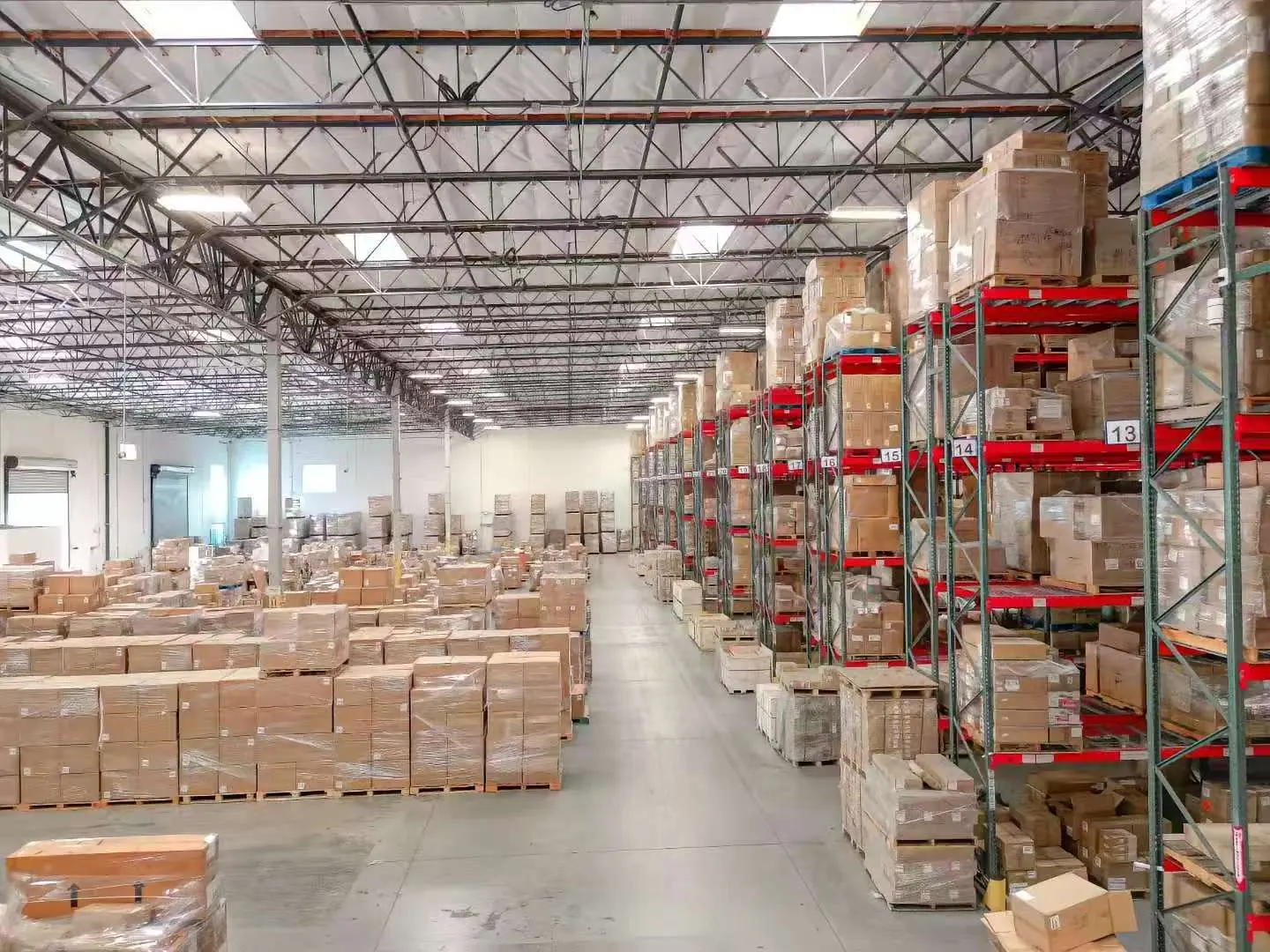
Two Seasonal Crunches, Different Causes
China-sourced freight has two predictable capacity crunches every year, and they’re caused by completely different things — which means they need different planning.
Chinese New Year: A Supply-Side Shutdown
Chinese New Year (dates shift each year, typically late January to mid-February) shuts down most factories for one to three weeks, and many workers travel home well before and after the official holiday, effectively extending the slowdown to several weeks on either side. This isn’t a freight capacity problem — it’s a production and labor problem that happens to collide with freight timing.
What this means practically: factory output slows or stops for roughly a month total around the holiday, and freight demand spikes hard in the weeks just before it as everyone tries to ship before their supplier closes. Booking freight in this window without having planned ahead often means paying a premium for whatever capacity is left, or missing the window entirely and waiting until after the holiday.
Planning window: if you depend on new production (not just shipping existing inventory), plan to have orders placed and in production at least 6-8 weeks before Chinese New Year, so finished goods are ready to ship before the pre-holiday freight crunch rather than during it.
Q4 Peak Season: A Demand-Side Crunch
Unlike Chinese New Year, the Q4 peak (which for freight actually builds before Q4 itself, roughly September through November, ramping toward the holiday shopping season) is a freight capacity problem, not a production problem. Ocean carriers and air cargo capacity get booked up well in advance as every e-commerce business tries to get inventory in place before the holiday shopping season, which pushes rates up and can extend booking lead times.
What this means practically: the sea freight slot you could book with two weeks’ notice in June might need a month or more of lead time in September-October, and rates are typically higher across the board during this window regardless of which forwarder you use — this is a market-wide capacity dynamic, not vendor-specific pricing.
How to Plan Around Both
The two crunches side by side:
| Chinese New Year | Q4 peak season | |
|---|---|---|
| Type of crunch | Supply-side: factory and labor shutdown | Demand-side: freight capacity |
| Timing | Holiday falls late January to mid-February; output slows for roughly a month around it | Roughly September through November |
| What happens | Freight demand spikes in the weeks before factories close | Rates rise across the market and booking lead times stretch |
| Planning move | Orders placed and in production at least 6-8 weeks before the holiday | Book sea freight a month or more ahead |
- Map your annual freight needs against both windows — if you have a predictable restock cycle, shift timing to avoid needing fresh inventory to clear Chinese New Year production gaps or compete for Q4 capacity.
- Book earlier than feels necessary in both windows — “a few weeks early” during peak season often means “too late” once capacity tightens.
- Consider air freight as a release valve, not a default — if a sea freight shipment is at risk of missing a critical window during either crunch, air freight on a portion of the order can bridge the gap even at higher cost per unit.
- Confirm your supplier’s actual closure dates early — exact Chinese New Year closure length varies by factory and region, and assuming a generic date range can throw off production timing by a week or more.
Getting Ahead of This Year’s Crunch
If you’re not sure whether your current shipping plan accounts for either window, tell us your typical order cycle and target ship dates and we’ll flag any timing risk before it becomes a problem. For what goes into a freight quote, see how our pricing works.