
Freight & Logistics
Sea Freight vs. Air Freight from China: How to Choose the Right Method

By Alice Wu, CEO & Founder Published · Last updated
Short answer
Choose sea freight for heavy or bulky, non-urgent inventory, especially if you can fill or nearly fill a container; choose air freight for light, high-value goods or when a stockout is close, since transit takes days, not weeks. Many importers split orders: bulk by sea, a small air shipment to bridge the gap.
The Trade-Off in One Sentence
Sea freight is cheaper per unit and slower; air freight is faster and costs significantly more per kilo. Almost every other factor in the decision flows from that one trade-off.
| Factor | Sea freight | Air freight |
|---|---|---|
| Cost per kilo | Lower | Significantly higher |
| Transit time | Several weeks door to door | Days |
| Best fit | Heavy or bulky goods, planned restocks | Light, high-value goods, urgent restocks |
| How it’s billed | Per container (FCL) or by volume/weight (LCL) | Chargeable weight: higher of actual or volumetric (L × W × H cm ÷ 6000) |
| Exposure to port congestion and vessel delays | Higher | Far lower |
When Sea Freight Is the Right Call
- Shipment is heavy or bulky relative to its value. Furniture, bulk accessories, and most non-urgent inventory restocks fit this profile — air freight’s per-kilo premium eats the margin.
- You have lead time to plan around. Ocean transit plus port handling typically runs several weeks door to door, depending on origin port and destination; that’s workable for planned inventory cycles, not for an emergency restock.
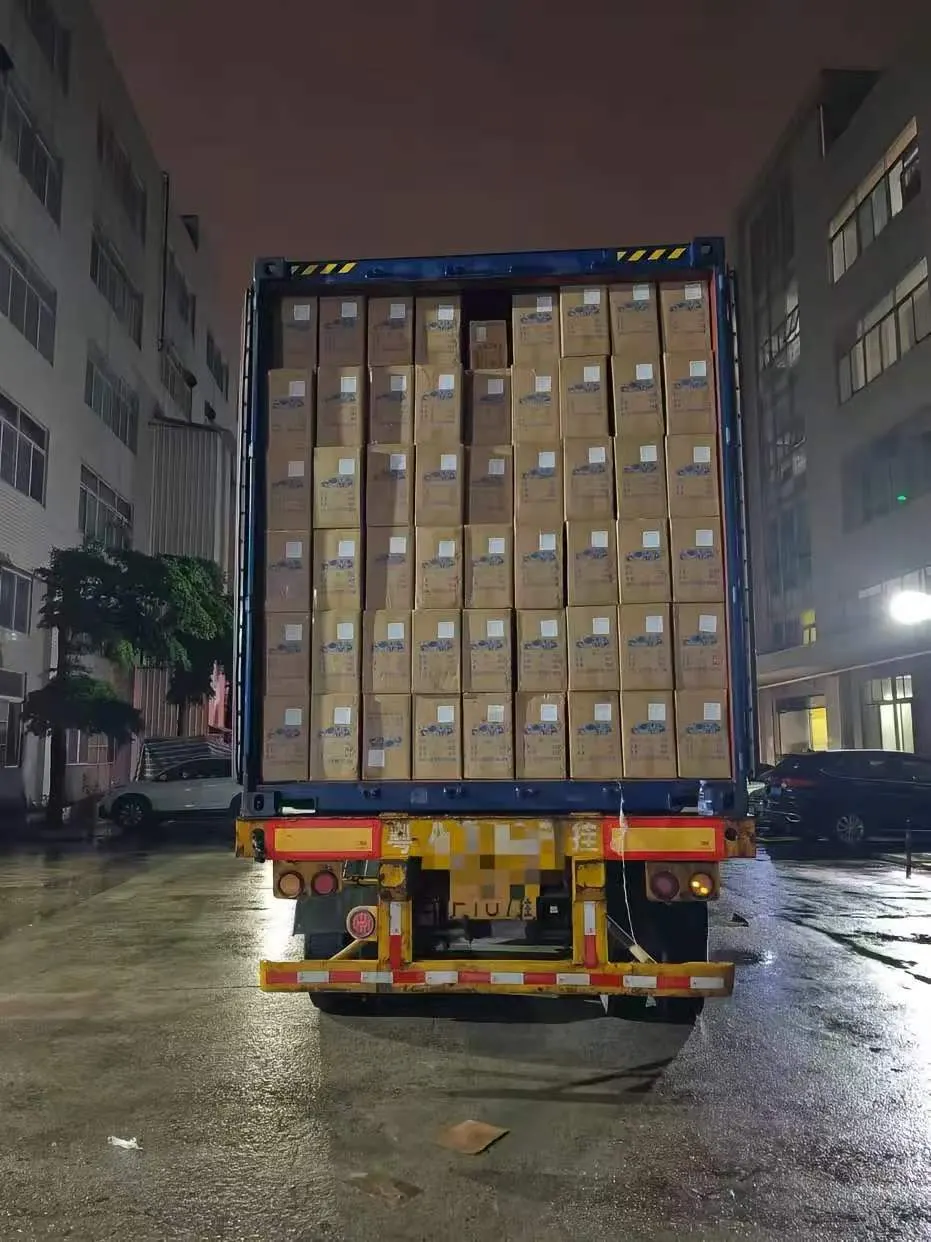
- Order volume is large enough to fill or nearly fill a container. Full-container-load (FCL) shipping brings the per-unit freight cost down substantially compared to smaller shipments.
When Air Freight Is Worth the Premium
- You’re out of stock or close to it. The cost of air freight is almost always lower than the cost of a stockout, lost ranking, or lost sales during a restock gap.
- The shipment is light and high-value relative to its size. Electronics accessories, small high-margin items, and anything where freight cost is a small fraction of product value are natural air freight candidates.
- You need a predictable, short transit window. Air freight transit times are measured in days, not weeks, and are far less exposed to port congestion or vessel scheduling delays.
The Hybrid Approach Most Experienced Importers Use
Many businesses split shipments: the bulk of an order goes by sea on a normal replenishment cycle, while a smaller air freight shipment covers the gap until the sea shipment arrives. This avoids paying air freight rates on an entire order while still protecting against stockouts.
Factors Beyond Price Per Kilo
- Customs clearance speed can vary by mode and by destination country — air shipments often clear faster simply because fewer parties and less paperwork are typically involved per shipment.
- Damage and handling risk differs by mode — fragile or high-value goods sometimes do better with air freight’s generally shorter handling chain, though proper packaging matters more than mode for this.
- Documentation requirements are broadly similar between modes, but specific carrier and customs requirements vary by destination country and product category.
Getting a Real Comparison for Your Shipment
Generic sea-vs-air guidance only goes so far — the actual break-even point depends on your specific product weight, dimensions, value, and how much lead time you actually have. Send us your shipment details and we’ll give you a straight comparison for your specific case, not a generic rule of thumb. Either mode can also be quoted as DDP door-to-door shipping, with duties included.