
Policy Update
Amazon Ended FBA Prep & Labeling on January 1, 2026: What Sellers Must Do Now

By Alice Wu, CEO & Founder Published · Last updated
Short answer
On January 1, 2026, Amazon stopped prepping and labeling inventory at its US fulfillment centers, so every unit now has to arrive already compliant: FNSKU-labeled, poly-bagged with suffocation warnings where required, and packed to spec. For China-made goods, that means prep happens before the container leaves China.
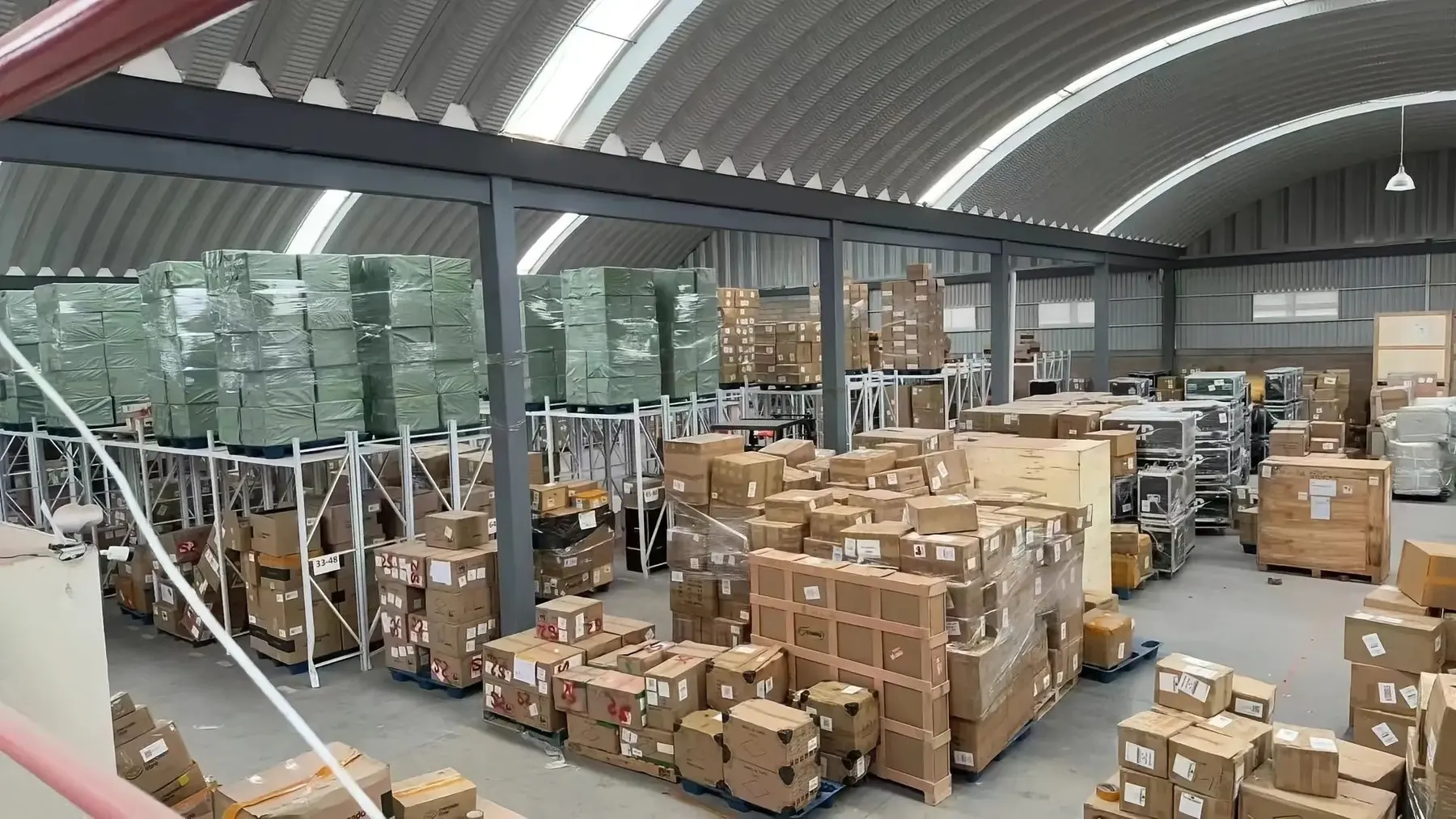
What Changed
On January 1, 2026, Amazon stopped offering its own in-house FBA prep and labeling service for shipments sent to its US fulfillment centers. Before that date, a seller could send unlabeled or unprepped inventory and pay Amazon’s “Unplanned Service Fee” to have the fulfillment center label and bag it on arrival. That option is gone.
In practical terms: every unit in every carton now has to arrive at the fulfillment center already compliant — correctly labeled, bagged where required, and packaged to Amazon’s specifications — or the shipment risks rejection, delay, or being sent back at the seller’s cost.
Here’s how the main scenarios changed:
| Situation | Before January 1, 2026 | Since January 1, 2026 |
|---|---|---|
| Units arrive without FNSKU labels | Amazon could label them for an Unplanned Service Fee | Shipment risks rejection, delay, or return at the seller’s cost |
| Units arrive without required poly bags | Amazon could bag them on arrival for a fee | Shipment risks rejection, delay, or return at the seller’s cost |
| Generic packaging on fragile or odd-shaped items | Sometimes “fixed” at Amazon’s dock | Rejected |
| Where prep has to happen | Gaps could be left for Amazon to catch | Before the container leaves China |
What Has Changed Since January 2026
The change is no longer a deadline to plan for — it is how FBA inbound works today. In practice, that has meant:
- Units must arrive prepped. There is no fallback at the fulfillment center. Labeling, bagging, and packaging are the seller’s responsibility, done before the shipment is booked into Amazon’s network.
- Unprepped units carry real risk. Shipments with missing or wrong labels, missing bags, or unsuitable packaging can be rejected, held up while problems are sorted out, or charged fees. Any of these costs selling days, not just money.
- Mistakes surface late. A missing label found at an Amazon dock is found after freight, duties, and weeks of transit have already been paid for. Fixing it from overseas is slow and expensive.
- Prep has moved upstream. Sellers who used to rely on Amazon’s prep service have had to add a prep step somewhere between the factory and the fulfillment center — either near the factory or at a third-party prep center in the destination country.
If your current process still assumes someone will catch gaps after the goods land, it is worth reviewing before your next shipment rather than after a rejection.
Why This Matters More Than It Sounds
Sellers who relied on Amazon’s prep service as a safety net — “if we miss something, Amazon will fix it for a fee” — lost that safety net entirely. For sellers shipping from overseas factories, this means prep has to happen before the container leaves China, not after it lands in the US.
Compliance Checklist for Your Next Shipment
- FNSKU labels applied to every unit, not just the outer carton, with manufacturer barcodes covered or removed. If you need the labels themselves produced, see our label printing service.
- Amazon Transparency Program codes applied correctly if your brand is enrolled — mismatched codes can block a listing entirely, not just delay a shipment.
- Poly bags with suffocation warning labels on any bag with an opening of 5 inches or more.
- Outer carton shipping marks — box labels, carton count, and SSCC labels matching your shipment plan.
- Correct packaging for fragile, oversized, or irregularly shaped items — generic boxes that used to get “fixed” at Amazon’s dock now just get rejected. Properly sized custom boxes and cartons solve this at the source.
- Battery and hazmat compliance documentation for any battery-containing products, confirmed before the container is booked.
What to Do Now
If you are still sending even partially unprepped inventory, or have been patching gaps shipment by shipment since January, you need a prep partner in your supply chain now — ideally one close to your factory, so prep doesn’t add an extra shipping leg.
We run full FBA prep — labeling, packaging, sorting, inspection — from our facility in Shenzhen, close to the factory clusters most sellers already source from. See our full service list or get a quote before your next shipment.