
Compliance Guide
Common Amazon FBA Shipment Rejection Reasons and How to Avoid Them

By Alice Wu, CEO & Founder Published · Last updated
Short answer
Most Amazon FBA shipment rejections come from small prep gaps, not product defects: missing or wrong FNSKU labels, non-compliant poly bags, carton weight/dimension mismatches, unlabeled mixed-SKU cartons, missing Transparency codes, and hazmat paperwork gaps. Each can be checked before cartons are sealed.
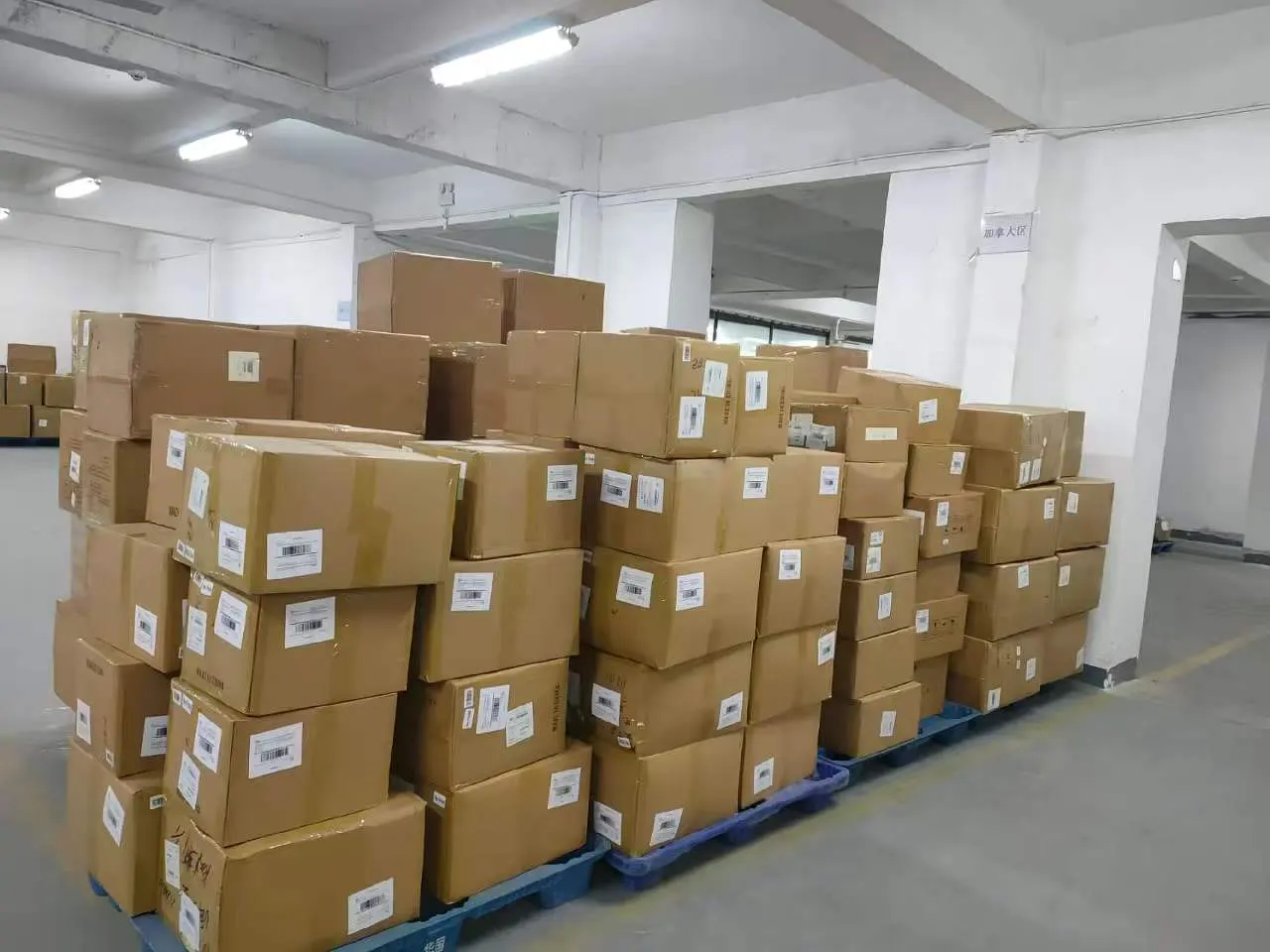
Why Rejections Happen More Often Than Sellers Expect
Most FBA shipment rejections aren’t caused by one dramatic mistake — they’re caused by small compliance gaps that are easy to miss when prep happens at the factory level instead of as a dedicated step. Here are the causes we see most often, and what actually prevents each one.
1. Missing or Incorrect FNSKU Labels
The single most common rejection cause. Usually caused by labeling only the master carton instead of every individual unit, or leaving the manufacturer’s original barcode visible next to the new FNSKU label so a scanner reads the wrong code. Clean, scannable printed FNSKU labels are the starting point. See our full FNSKU compliance checklist.
2. Poly Bag Non-Compliance
Bags without a required suffocation warning label, bags that are the wrong thickness for the product category, or products that needed rigid packaging instead of a poly bag entirely. See our poly bag and suffocation warning rules guide.
3. Carton Weight or Dimension Mismatches
Outer carton weight or dimensions that don’t match what was declared in the shipment plan — often caused by last-minute packaging changes that weren’t re-measured and re-declared before the shipment was finalized.
4. Mixed-Condition or Mixed-SKU Cartons Without Proper Labeling
Shipping multiple SKUs or multiple inventory conditions in one carton without the labeling Amazon requires for mixed cartons. This is especially common with multi-supplier consolidated shipments where sorting wasn’t done carefully. See our multi-SKU sorting service.
5. Missing Transparency Program Codes (For Enrolled Brands)
If your brand is enrolled in Amazon’s Transparency Program, every unit needs its own unique Transparency code in addition to the FNSKU — a mismatch between the two, or a missing Transparency code, can flag the entire shipment rather than just the affected units.
6. Battery or Hazmat Documentation Gaps
Products containing batteries or other regulated materials shipped without the correct hazard labeling or supporting documentation. See our battery and hazmat shipping guide.
The Pattern Behind All Six
Every one of these is a prep-step gap, not a product problem — the product itself is almost always fine, the compliance step around it is what gets missed. This is exactly why prep as a dedicated step (rather than something handled loosely at the factory) exists: each of these gets checked before a carton is sealed, not discovered after a shipment is rejected three weeks later.
Here’s each cause next to the prep step that prevents it:
| Rejection cause | Prep step that prevents it |
|---|---|
| Missing or incorrect FNSKU labels | Label every individual unit and cover or remove the manufacturer barcode |
| Poly bag non-compliance | Check bag size, thickness, and suffocation warning before sealing |
| Carton weight or dimension mismatch | Re-measure and re-declare after any packaging change |
| Mixed-SKU or mixed-condition cartons | Sort carefully and apply Amazon’s mixed-carton labeling |
| Missing Transparency codes | Apply a unique code to every unit and match it to the FNSKU |
| Battery or hazmat documentation gaps | Confirm hazard labeling and documents before booking |
Send us your Amazon shipment plan and we’ll flag any of these six issues before your inventory ships, not after.