
Freight & Logistics
Crowdfunding Reward Shipping: How to Plan Costs, Duties and Timelines Before Launch

By Alice Wu, CEO & Founder Published
Short answer
Plan crowdfunding reward shipping before launch: weigh and measure the packed reward, price shipping per region, decide how duties and VAT are handled for backers, and set survey and address lock dates. Underpriced shipping and surprise duty bills are among the most common campaign problems.
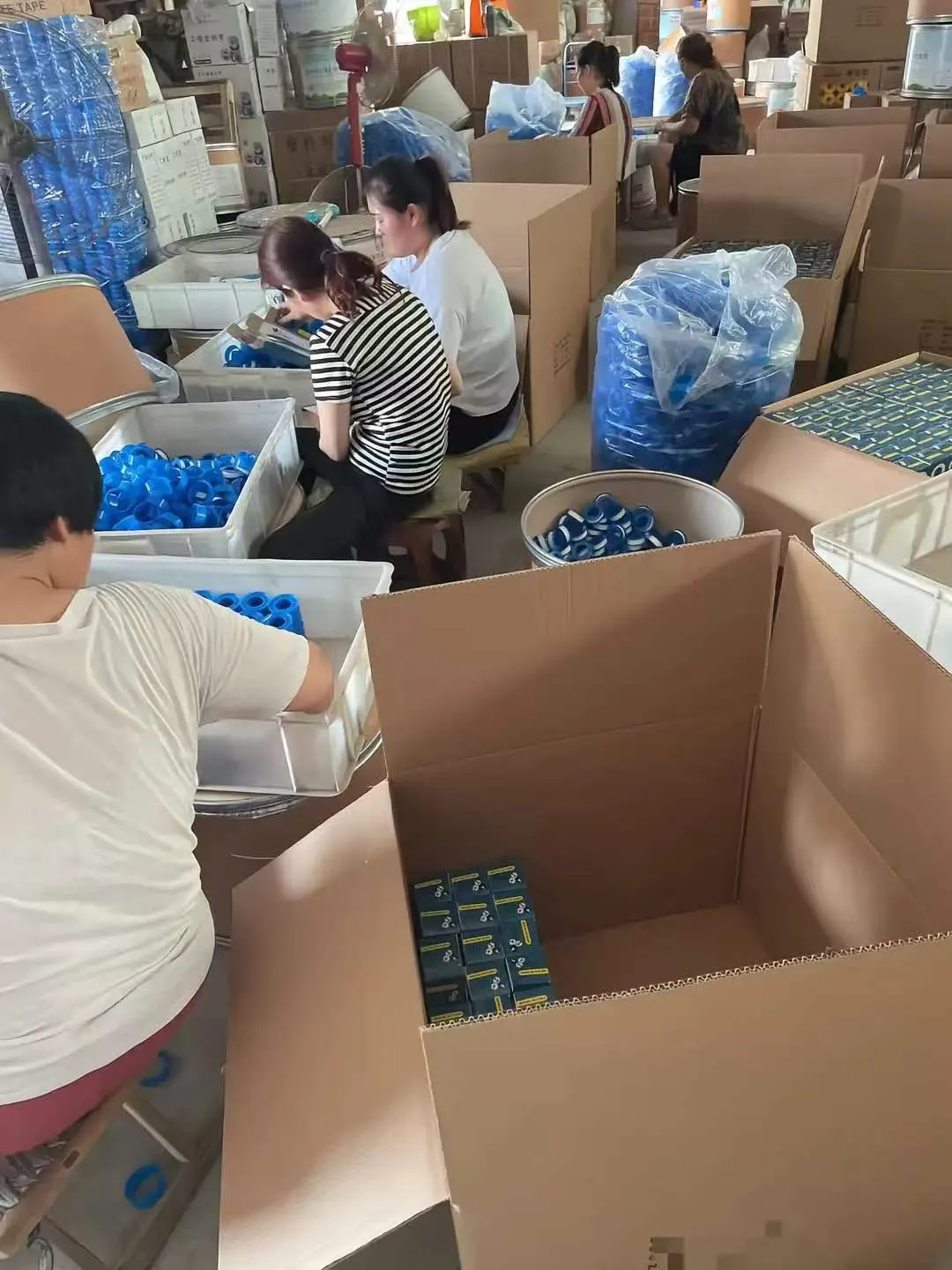
Crowdfunding reward shipping should be planned before your campaign launches, not after it funds. That means knowing the packed weight and size of each reward tier, pricing shipping for each region you will serve, deciding how duties and VAT will be handled for backers, and setting firm dates for surveys and address locks. Shipping charges you set at launch are hard to change later, so a wrong estimate comes straight out of your budget. A clear plan also tells backers what to expect, which reduces support questions and complaints.
This guide covers the decisions to make before launch and the steps that follow once the campaign ends.
Start with the Packed Reward
Shipping cost depends on what actually ships, not on the bare product. Before you set any shipping prices:
- Make or source a sample of the final retail packaging.
- Add the shipping box, inserts, and any add-ons a typical backer might choose.
- Weigh and measure the packed parcel.
- Calculate volumetric weight, since many carriers charge on whichever is greater, actual or volumetric weight.
Small packaging changes can move a parcel into a higher weight band. A shipping box that is slightly larger than needed can increase volumetric weight on every parcel. If you have several tiers, do this for each one.
Price Shipping per Region
Shipping costs vary widely by destination. Most campaigns set separate shipping charges for regions such as the US, Canada, the UK, the EU, Australia and the rest of the world.
To set these, get quotes for the packed parcel to each region from a fulfillment or freight provider. Include all costs that will apply: freight, last-mile delivery, packaging, kitting and any handling fees. Leave a margin for rate changes between launch and shipping, since campaigns can take many months to deliver.
Direct from China vs Bulk to Regional Hubs
There are two common models for getting rewards to backers.
Direct from China. Each backer’s parcel ships individually from China by postal or express services. It is simpler and avoids extra warehouse handling, but per-parcel costs and delivery times vary by country.
Bulk to regional hubs. Rewards are shipped in bulk by sea or air to warehouses in key regions, cleared through customs once, and then delivered locally. This can reduce per-parcel cost and make duties easier to manage for backers, but it adds the cost of bulk freight and regional warehouse fees.
Many campaigns use a mix: bulk shipments to their largest regions and direct shipping for smaller ones.
Duties and VAT for Backers
Duties and import taxes are one of the biggest sources of backer complaints. If a backer receives a bill at the door they did not expect, they are likely to be unhappy. Decide in advance who pays and make it clear on your campaign page.
A few points to check:
- EU. IOSS (Import One-Stop Shop) can be used to collect VAT at the point of sale for consignments up to EUR 150, so the backer does not pay at delivery. Check current rules and whether your setup can use it.
- UK. VAT for consignments up to GBP 135 is collected at the point of sale. Check current rules for how this applies to your campaign.
- Other countries. Each country has its own thresholds and rules. Bulk shipping to a regional hub and clearing customs there is one way to handle duties before parcels reach backers.
Get advice on your specific situation, since tax rules change and depend on how your campaign is structured.
Pledge Manager Surveys and Address Lock Dates
After the campaign ends, most creators use a pledge manager to collect addresses, confirm reward choices and sell add-ons. Plan these dates up front:
- Survey send date. When backers receive the survey.
- Survey reminder dates. Backers often need reminders.
- Address lock date. After this, addresses cannot be changed. It should be set shortly before fulfillment starts.
- Data export date. When the final backer CSV goes to your fulfillment provider.
Communicate the address lock date clearly and more than once. Parcels sent to old addresses are a common cause of lost rewards.
Planning Checklist
| Item | What to decide | When |
|---|---|---|
| Packed weight and size | Weigh and measure each tier with real packaging | Before launch |
| Shipping regions | Which regions you serve and at what price | Before launch |
| Shipping model | Direct from China, regional hubs, or a mix | Before launch |
| Duties and VAT | Who pays, and how EU and UK VAT are handled | Before launch |
| Packaging | Retail box, shipping box, protection | Before launch |
| Pledge manager | Platform and survey timing | Before campaign ends |
| Address lock date | Final date for address changes | Before fulfillment |
| Kitting plan | Contents of each tier and add-on | Before production ends |
| Tracking | How tracking numbers return to backers | Before fulfillment |
Kitting by Tier
Each reward tier is a different kit. A backer at one level might get the product alone; another might get the product, an accessory and a printed insert. Add-ons purchased in the pledge manager create even more combinations.
Clear kitting instructions help avoid errors:
- List the exact contents of every tier and add-on.
- Assign each kit an internal SKU.
- Label each kit from the backer CSV so the right parcel goes to the right person.
- Check kits against the list before sealing.
Packaging for the Journey
Rewards can travel a long way and be handled many times. Packaging should protect the product without adding unnecessary size or weight. Consider:
- A shipping box sized closely to the product to limit volumetric weight.
- Inserts or padding for fragile items.
- Clear outer labeling for each parcel.
- How the unboxing will look to backers who share it online.
Tracking for Backers
Backers want to know where their reward is. Plan how tracking numbers will be collected and returned, ideally per backer, so you can upload them to your pledge manager or send them by email. Tracking also helps you respond to “where is my reward” questions with facts.
FAQ
When should I calculate crowdfunding shipping costs?
Before launch. Shipping charges are set on the campaign page, so they should be based on the real packed weight and quotes for each region.
Do backers have to pay import duties?
It depends on the destination and how you ship. Some campaigns collect taxes at the pledge stage or ship in bulk to regional hubs to avoid surprise bills. Check current rules for each country.
What is an address lock date?
It is the date after which backers can no longer change their shipping address in the pledge manager. Set it shortly before fulfillment starts.
Should I ship rewards directly from China?
For some regions, yes. For larger regions, bulk shipping to a local hub may work better. Compare quotes for both before deciding.
Fulfillment from Shenzhen
We handle crowdfunding fulfillment from our Shenzhen warehouse: rewards kitted by pledge tier, labeled from the backer CSV, and tracking returned per backer. If your rewards need custom shipping or retail boxes, see boxes and cartons.