
Compliance Guide
Lithium Battery and Hazmat Shipping from China: What's Actually Allowed

By Alice Wu, CEO & Founder Published · Last updated
Short answer
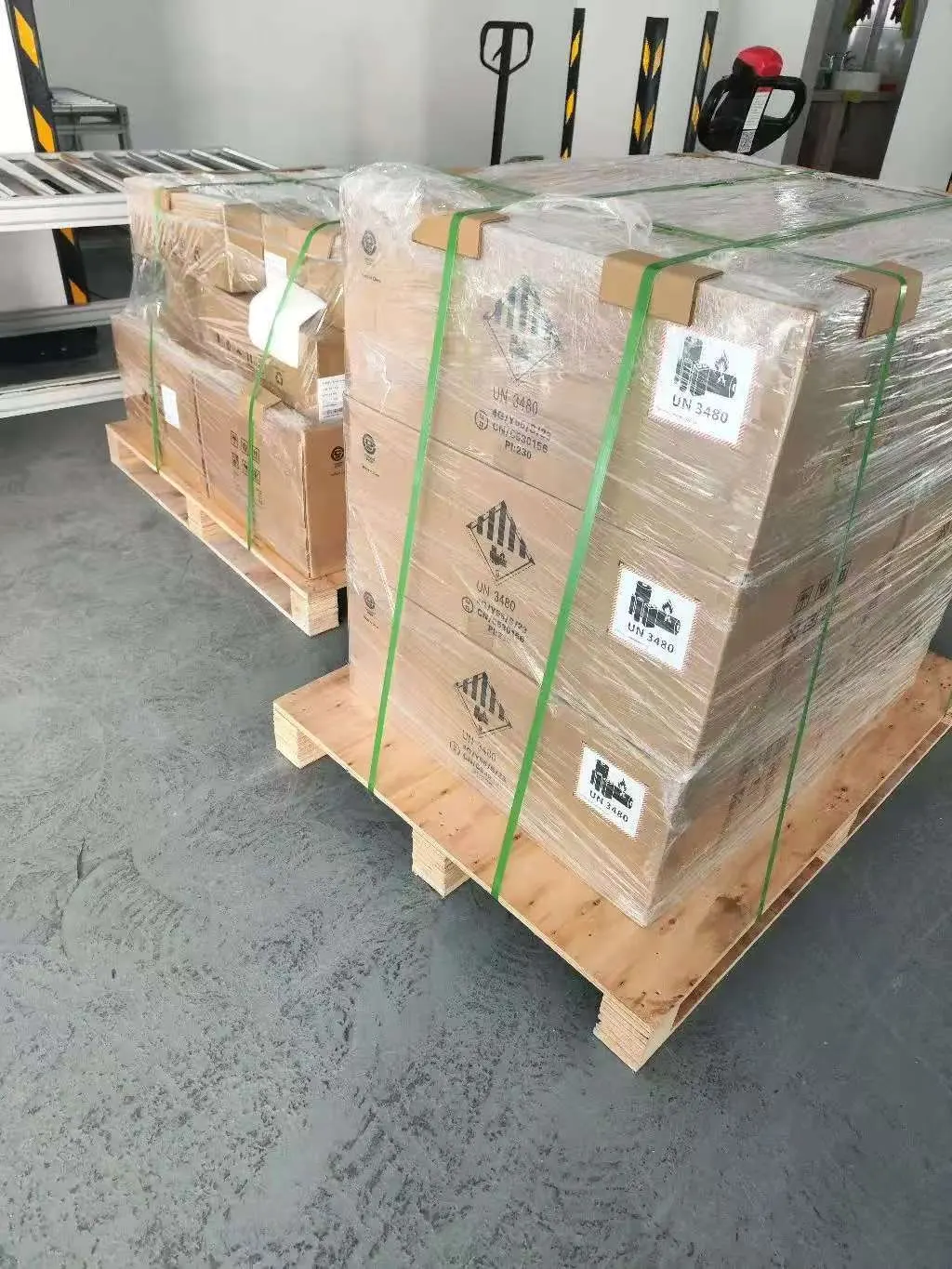
Lithium battery products can ship from China only with UN38.3 test documentation from the manufacturer, which no prep center can substitute. Cartons also need a Class 9 hazard label and the right UN number (UN3480 for batteries alone, UN3481 packed with or in equipment), and carrier acceptance varies.
Why This Category Gets Treated Differently
Battery-containing and other hazmat products aren’t just subject to Amazon’s packaging rules — they’re subject to international dangerous goods shipping regulations that exist independently of any marketplace, enforced by carriers and customs, not just Amazon. Getting this wrong doesn’t just risk a rejected FBA shipment, it can hold up a shipment at customs or get it refused by a carrier entirely.
UN38.3: The Testing Requirement, Not a Packaging Step
UN38.3 is a testing standard lithium batteries must pass before they can be shipped internationally — it covers altitude simulation, thermal testing, vibration, shock, and short-circuit testing. This is a product-level certification your manufacturer needs to provide, not something a prep center or freight forwarder can perform or substitute for. If your supplier can’t provide UN38.3 test documentation for a battery-containing product, that needs to be resolved before shipping is arranged, not after.
Hazard Class Labeling on the Carton
Once UN38.3 compliance is confirmed, the outer carton needs the correct hazard class diamond label (lithium batteries are typically Class 9 — miscellaneous dangerous goods) and the correct UN number marking (for example, UN3480 for lithium-ion batteries shipped alone, UN3481 for batteries packed with or contained in equipment). The specific marking depends on the battery type and how it’s packed relative to the product.
Who Is Responsible for What
Responsibility splits clearly between your supplier, the prep center, and the carrier:
| Task | Responsible party |
|---|---|
| UN38.3 testing | Manufacturer, through an accredited testing body |
| Providing the UN38.3 test report | Your supplier |
| Class 9 hazard label and UN number on cartons | Prep center, based on the supplier’s documentation |
| Palletizing hazmat separately from standard inventory | Prep center |
| Flagging missing documentation before booking | Prep center |
| Accepting or refusing the shipment | Carrier, regardless of documentation |
What a Prep Center Can Actually Do
- Apply the correct hazard labeling to cartons, based on the documentation your supplier provides
- Palletize and strap hazmat shipments separately from standard inventory, to avoid mixed-pallet compliance issues
- Flag missing documentation before a shipment is booked, rather than after it’s rejected at a port or by a carrier
What a Prep Center Can’t Do
- Issue or substitute for UN38.3 test certification — that has to come from an accredited testing body, commissioned by the manufacturer
- Guarantee a specific carrier will accept a hazmat shipment — some carriers restrict or refuse certain battery shipment types regardless of documentation, which is worth confirming before booking
Common Mistakes We See
- Assuming a “built-in battery” product doesn’t need hazmat handling — if there’s a lithium battery inside, dangerous goods rules apply regardless of whether the battery is removable.
- Relying on a supplier’s verbal assurance of compliance instead of requesting the actual UN38.3 test report. With a new supplier, an on-site factory audit is one way to see their documentation and production firsthand.
- Mixing hazmat and non-hazmat inventory on the same pallet, which can create compliance ambiguity at customs inspection.
If You’re Shipping a Battery-Containing Product
Confirm your UN38.3 documentation status before anything else — send us the product details and your supplier’s test documentation and we’ll tell you clearly what labeling and palletizing is needed on our end, and flag anything that needs to be resolved with your supplier first.