
Packaging Guide
Amazon Frustration-Free Packaging and SIOC Explained

By Alice Wu, CEO & Founder · Editorial policy Published
Short answer
Amazon frustration free packaging is a program with three tiers. FFP packaging is easy to open, recyclable and ships without an overbox. SIOC packaging also ships in its own container but may not meet every FFP rule. PFP packaging still needs an Amazon overbox but needs no prep. Packaging is certified through ISTA 6-Amazon testing.
Amazon frustration free packaging is Amazon’s program for product packaging that is easy to open, recyclable, and strong enough to travel through Amazon’s network without extra prep. It has three tiers: Frustration-Free Packaging (FFP), Ships In Own Container (SIOC) and Prep-Free Packaging (PFP). The two higher tiers ship to the customer in the product’s own box, with no Amazon overbox. To be certified, packaging has to pass Amazon’s test protocols, based on ISTA 6-Amazon.com, through Amazon’s program or an approved test lab.
This guide explains the tiers, what Amazon expects from the packaging, who it matters for, and how to design mailer and shipping boxes that have a good chance of passing.
The Three Tiers
Amazon groups certified packaging into three tiers. The names and details have been revised over the years, and some recent Amazon materials refer to Tier 2 as “Ships in Product Packaging” (SIPP). Always check the current program guidelines before you design.
| Tier | Ships without Amazon overbox | Easy to open | Recyclable packaging | Needs Amazon prep | Typical use |
|---|---|---|---|---|---|
| Tier 1: Frustration-Free Packaging (FFP) | Yes | Yes | Yes | No | Products packed in a simple, recyclable box the customer opens easily |
| Tier 2: Ships In Own Container (SIOC) | Yes | Not required to the FFP standard | Not required to the FFP standard | No | Large, heavy or bulky items in a strong box that can travel as-is |
| Tier 3: Prep-Free Packaging (PFP) | No, Amazon adds an overbox | Not required | Not required | No | Products too small or fragile to ship alone, but packed well enough to skip prep |
In simple terms: FFP is the strictest. SIOC drops some of the customer-experience rules but keeps the “ships as-is” requirement. PFP keeps only the “no extra prep” requirement.
What Amazon Expects From the Packaging
The exact rules are in Amazon’s certification guidelines. In general terms, they cover four areas.
It survives the network
The packaging must protect the product through Amazon’s handling, sorting and delivery, including drops, vibration and stacking. This is tested with the ISTA 6-Amazon.com protocols. Different test types apply depending on the weight and how the package ships, for example parcel delivery or less-than-truckload freight for larger items.
It ships without an overbox (FFP and SIOC)
For the top two tiers, the box goes out with a shipping label on it and nothing else. That means it needs to be a rigid, six-sided, stackable shape, with no handles, hooks or loose parts that can snag. Amazon also sets minimum dimensions for these tiers. Items below them are generally limited to PFP.
It is easy to open (FFP)
The customer should be able to open it without a knife or scissors and remove the product quickly. Clamshells, heavy strapping and wire ties work against this.
It is recyclable (FFP)
FFP packaging should be made from curbside-recyclable materials. Corrugated board, paper-based inserts and paper tape fit this well. Mixed plastic and foam make it harder.
Who It Matters For
Frustration-free packaging matters most for two groups.
Vendors. Brands that sell to Amazon through Vendor Central can be subject to packaging compliance programs, with chargebacks applied to products that should be certified but are not. If you are a vendor, read the requirements in your vendor agreement and Vendor Central help pages.
Sellers with large or heavy items. For FBA sellers, certification is generally optional. It is most useful for bulky or heavy products, where an overbox adds weight, material and handling. A strong, right-sized SIOC box can reduce damage and waste.
For small, light FBA products in standard retail packaging, the program usually brings less benefit. Focus on solid prep and labeling first.
How Testing and Certification Work
Certification is based on test results. You do not certify packaging by describing it. In general:
- Packaging is tested to the relevant ISTA 6-Amazon.com protocol, or in some cases a simpler test that Amazon allows for certain low-risk products.
- Tests are run through Amazon’s own program or an approved test lab, as set out in Amazon’s guidelines.
- The results are submitted to Amazon, which certifies the packaging for the ASIN.
To be clear about our role: we are a packaging manufacturer and prep warehouse, not a test lab. We do not run certified ISTA tests. We design and produce boxes with these tests in mind and can prepare production-quality samples for you to send for testing.
Design Tips for Mailer and SIOC Boxes
Most failures trace back to a handful of design choices. These tips apply to corrugated mailer boxes and SIOC shipping cartons.
Right-size the box
Empty space lets the product move and hit the walls during drops. Size the box to the product plus its inserts, not to a stock carton that happens to be close. A right-sized box is also lighter and uses less board.
Use fitted inserts instead of loose fill
Hold the product in place with corrugated or molded-pulp inserts that keep it away from the walls and corners. Inserts made from the same material as the box keep FFP packaging recyclable. For heavier items, suspension or corner-block inserts spread the load.
Skip void-fill bags and loose fill
Air pillows, loose peanuts and crumpled plastic settle during transit and leave the product free to move. They also make FFP harder because they add mixed materials. If you need void fill, the box is usually the wrong size.
Choose the right board
Heavier products need stronger corrugated board, often double wall. The board grade affects both drop protection and stacking strength. Test samples with your actual product, not a dummy weight.
Plan tape and closures carefully
The box must stay closed through testing and delivery, then open easily for the customer. Options include:
- Tear strips, which give a clean, tool-free opening on mailer boxes
- Water-activated paper tape, which bonds strongly to corrugated and stays recyclable
- Self-locking tabs or tuck flaps, combined with tape where weight requires it
Avoid closures that need a knife, and avoid excess tape on all seams.
Keep the outside clean
The outer surface carries the shipping label. Leave a flat, clear panel for it, and avoid printing that hides what the product is if that matters for theft. Make sure product barcodes and any required warnings stay visible.
For more on protecting fragile items in general, see our guide on how to package fragile products for Amazon FBA.
Frequently Asked Questions
What is the difference between FFP and SIOC?
Both ship to the customer in the product’s own box without an Amazon overbox. FFP also requires the packaging to be easy to open and recyclable. SIOC keeps the “ships as-is” requirement but does not require the full FFP customer-experience rules.
Is frustration free packaging required for FBA sellers?
For most FBA sellers it is optional. Vendors selling through Vendor Central are more likely to face packaging compliance requirements and chargebacks. Check your agreement and the current program guidelines for your account type.
Can my packaging supplier certify my box for Amazon?
Certification comes from Amazon, based on test results from Amazon’s program or an approved test lab. A packaging supplier can design and build boxes to pass the tests and supply samples, but cannot certify them unless it is an approved lab.
Why do small products usually fall under PFP?
The top two tiers ship without an overbox, so the package must meet Amazon’s minimum dimensions to travel and be labeled on its own. Products below those sizes generally need an Amazon overbox, which places them in PFP at most.
Do void-fill air pillows count against frustration free packaging?
They make it harder. Air pillows and loose fill let the product move during testing and add mixed materials that work against recyclability. Fitted paper-based inserts in a right-sized box are a better approach.
How We Can Help
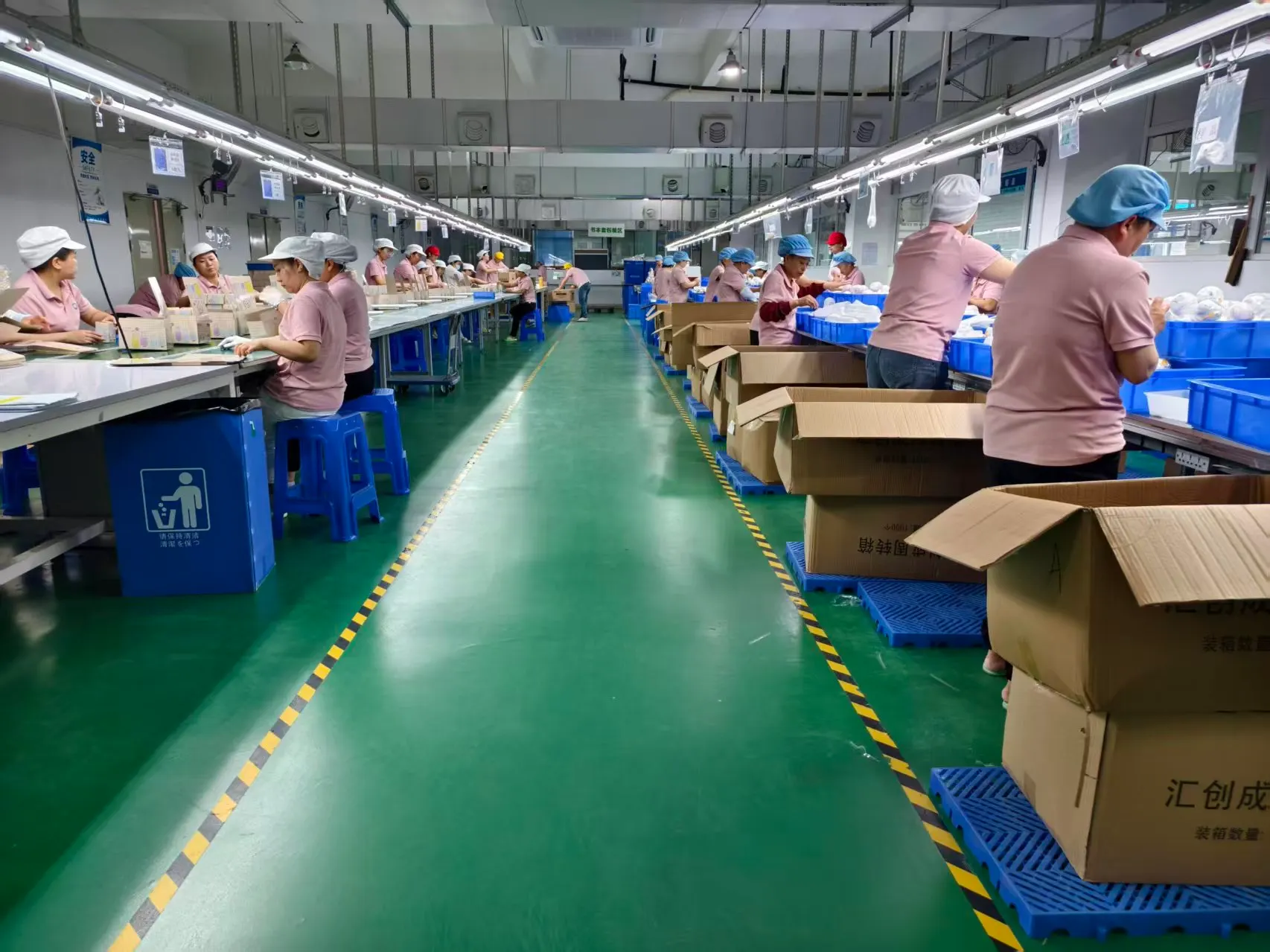
We design and print corrugated mailer boxes, shipping cartons and fitted inserts in our own Shenzhen factory, with an MOQ of 500. See our boxes and cartons options, or our custom protective packaging service if you need boxes and inserts built around a specific product and samples prepared for your testing.