
Cost Guide
China FBA Prep vs. US-Based Prep Centers: A Realistic Cost Comparison

By Alice Wu, CEO & Founder Published · Last updated
Short answer
For most sellers manufacturing in China, prepping in China costs less overall: per-unit labor is generally lower and inventory ships once, already compliant, instead of twice. US prep still suits returns already in the US and very small ad hoc jobs. Compare total landed cost, not per-unit prep price.
The Core Trade-Off
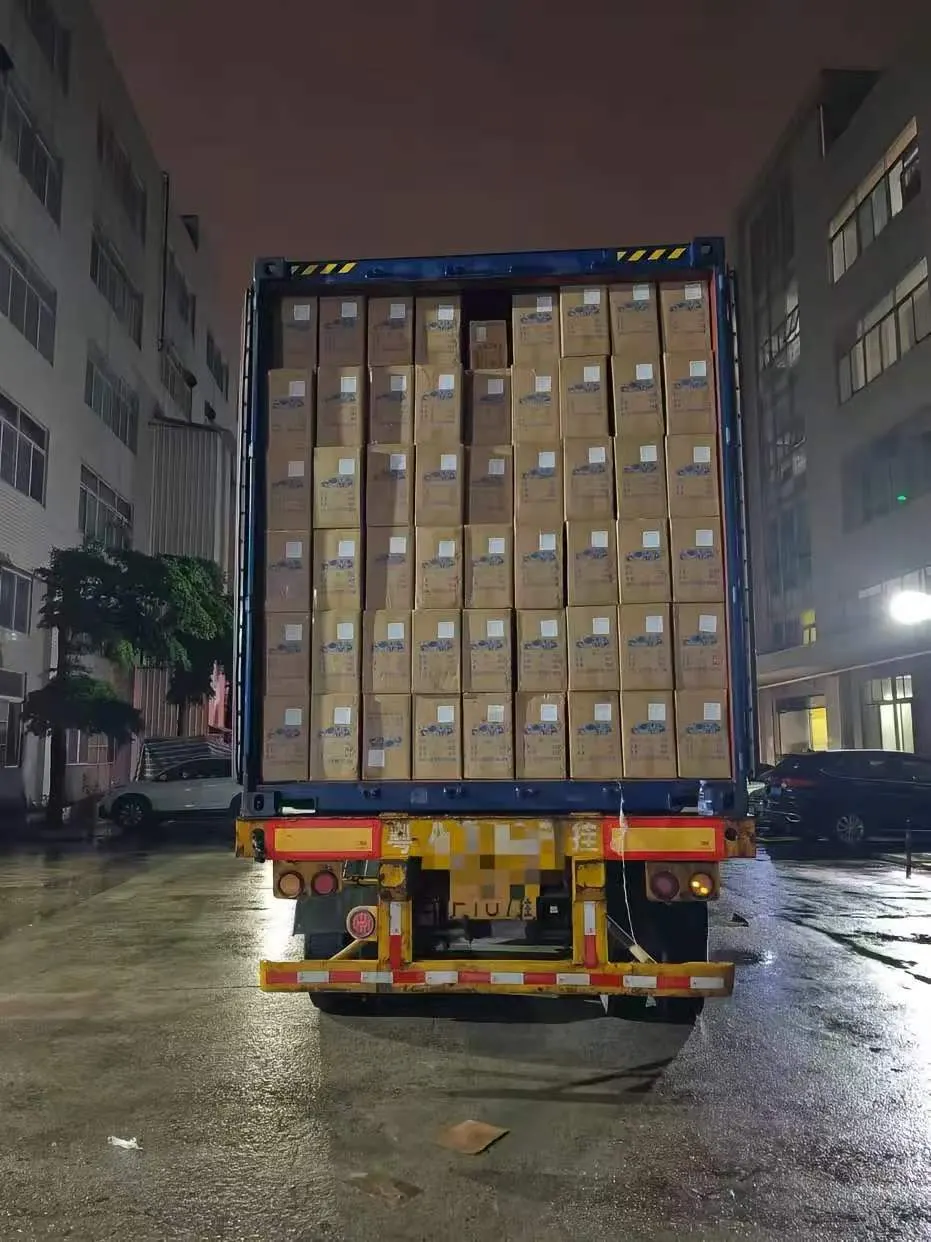
A US-based prep center sits closer to the fulfillment center, so inbound transit after prep is short. A China-based prep center sits at the source — right next to the factories most sellers already manufacture with — so prep happens before the long ocean or air leg, not after.
Where China-Based Prep Typically Costs Less
- Labor cost per unit for labeling, bagging, and kitting is generally lower than US-based prep labor rates.
- No double handling. Inventory doesn’t need to ship once (unprepped) to a US prep center and then again (prepped) to Amazon — it ships once, already compliant.
- Consolidation savings. If you source from multiple Chinese factories, consolidating at a China-based facility before the international leg usually beats shipping each supplier’s output separately.
Where US-Based Prep Can Still Make Sense
- Returns and removal orders already inside the US — reprocessing domestically avoids a second international shipping leg.
- Very low-volume, ad hoc jobs where setting up a relationship with an overseas prep partner isn’t worth the coordination overhead.
What to Actually Compare
Per-unit prep pricing alone is misleading. Compare the total landed cost: factory price + domestic China freight to the prep facility + prep cost + international freight to the fulfillment center, against the equivalent US-based path (factory price + international freight unprepped + US prep cost + domestic US freight to the fulfillment center). For most sellers manufacturing in China, consolidating prep into the China leg removes a shipping leg entirely rather than just moving where the cost is incurred.
Side by side, the two paths look like this:
| Cost step | China-based prep | US-based prep |
|---|---|---|
| 1. Product | Factory price | Factory price |
| 2. First freight leg | Domestic China freight to the prep facility | International freight, unprepped |
| 3. Prep | China prep cost | US prep cost |
| 4. Second freight leg | International freight to the fulfillment center | Domestic US freight to the fulfillment center |
| Handling | Crosses the ocean once, already compliant | Ships unprepped to a US prep center, then again to Amazon |
A Worked Example: 2,000 Units
To make the comparison concrete, take a simple job: 2,000 units, each needing an FNSKU label and a poly bag. All figures below are illustrative starting prices only — final quotes vary with product size, label count, packaging, and volume.
| China-based prep (our published starting prices) | US-based prep center | |
|---|---|---|
| FNSKU label, printed and applied | from USD 0.08/unit | Included in range below |
| Poly bag with suffocation warning | from USD 0.12/unit | Included in range below |
| Prep cost per unit (label + bag) | from USD 0.20 | roughly USD 0.50–1.20 |
| Prep cost for 2,000 units | from USD 400 | roughly USD 1,000–2,400 |
| Extra freight leg | None — ships once, already compliant | Port or warehouse → prep center → Amazon |
Our figures come from our published starting prices. For the US side, typical published US rate cards in 2026 range roughly from USD 0.50 to 1.20 per unit for a label plus a bag; individual prep centers price differently, and many add receiving, storage, or minimum-order charges on top.
Freight is the bigger variable. The prep line is only part of the picture. US-based prep adds a domestic leg — from the port or your US warehouse to the prep center — and then a second leg on to Amazon. Depending on volume and distance, that extra trucking and handling can outweigh the difference in prep labor. Freight is quoted per shipment, so it is worth pricing both routes with your actual carton count and destination.
Errors are cheaper to fix at the source. When prep and checks happen in China, a wrong label, a missing bag, or a damaged unit is found and corrected before international freight is paid. Found in the US, the same mistake has already travelled across the ocean.
The 2026 Factor
Since Amazon ended its own in-house FBA prep and labeling service on January 1, 2026, inventory arriving unprepped at a US fulfillment center no longer has a fallback — it risks rejection, delay, or being sent back at the seller’s cost. That makes prepping before the international shipment, not after, the lower-risk option regardless of per-unit cost differences.
Ready to compare numbers for your specific product? See how our pricing works, or send us your product details for a per-unit quote.