
Quality & Sourcing
How to Verify a Chinese Supplier Before You Pay the Deposit

By Alice Wu, CEO & Founder Published
Short answer
To verify a Chinese supplier, check the business licence and 18-character Unified Social Credit Code on the official credit system, confirm the business scope covers your product, test samples, tie the balance payment to inspection, and visit the factory for larger orders.
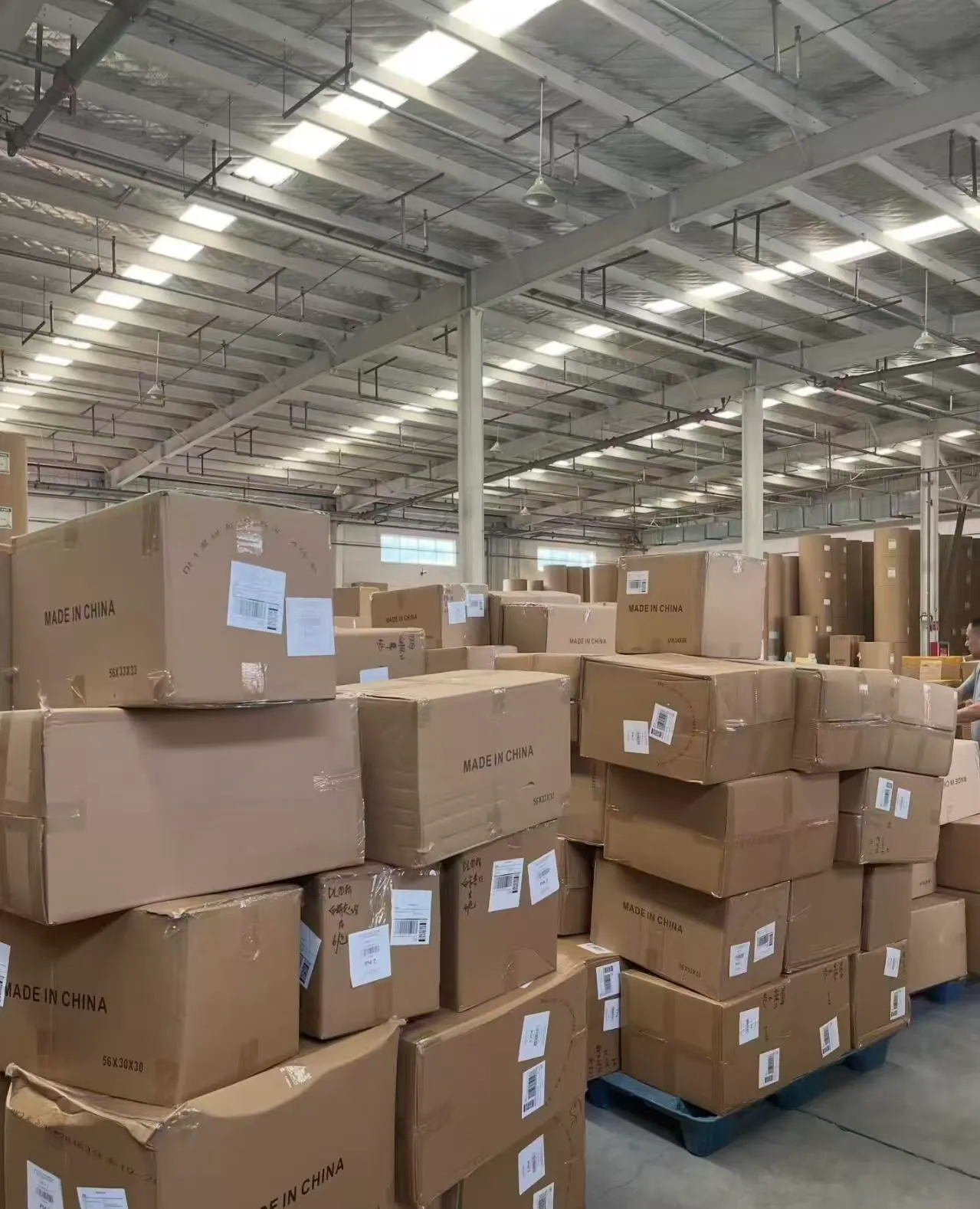
To verify a Chinese supplier before paying a deposit, do five things: get a copy of the business licence and check its 18-character Unified Social Credit Code on China’s official National Enterprise Credit Information Publicity System; confirm the registered business scope covers making or selling your product; work out whether you are dealing with a factory or a trading company; approve a sample that you keep as a reference; and structure payment so the balance is paid after inspection. For larger or first orders, add an on-site visit. None of these steps is complicated, and together they filter out most problems before money changes hands.
Step 1: Check the Business Licence
Every legally registered company in mainland China has a business licence. Ask the supplier for a clear copy. It shows:
- The registered company name in Chinese
- The Unified Social Credit Code, an 18-character identifier that acts as the company’s registration number
- The legal representative
- The registered capital and date of establishment
- The registered address
- The business scope
Then check the details yourself on the National Enterprise Credit Information Publicity System, the official government database. Search by the company’s Chinese name or the credit code. The name, code, legal representative and address should match the licence copy. Also look at the registration status. A company that is deregistered, revoked or listed with abnormal operations is a warning sign.
Two practical points:
- The Chinese name is what matters legally. English trade names are often informal and can differ from the registered name.
- The company on the licence should be the same company named on your contract, proforma invoice and bank account. If the bank account belongs to a different company or a private individual, stop and ask why.
Step 2: Read the Business Scope
The business scope lists the activities the company is registered to carry out. If you are buying stainless steel cookware and the scope only lists software services or general consulting, that mismatch needs an explanation.
Look for wording that covers production or manufacturing of your product category if the supplier claims to be a factory. A trading company’s scope typically lists sales, import and export, or wholesale of a range of goods.
Step 3: Factory or Trading Company?
Neither is automatically better. A good trading company can manage several factories and consolidate orders. But you should know which one you are dealing with, because it affects pricing, communication and who controls quality.
| Sign | Points to a factory | Points to a trading company |
|---|---|---|
| Business scope | Includes production or manufacturing | Sales, trade, import and export only |
| Product range | Focused on one category or process | Very wide range of unrelated products |
| Address | Industrial zone, factory building | Office tower or commercial building |
| Video call | Can show production lines, machines and stock on request | Shows a showroom or office, avoids the floor |
| Technical answers | Can explain materials, process steps and tooling | Needs to “check with the factory” for details |
| Photos | Consistent workshop shots with the same staff and equipment | Stock or mixed photos from different places |
Step 4: Video Calls vs On-Site Visits
A live video call is quick and useful. Ask the supplier to walk from the office to the production floor without cutting the call, show machines running, show raw material stock, and show your product category being made. Ask to see the company name on the building or gate. Pre-recorded videos prove much less.
An on-site visit goes further. Someone physically at the factory can confirm the address, see real capacity, check equipment, talk to production staff, and look at finished goods and quality records. It is the strongest check, especially before a first large order, a custom product with tooling, or a long-term supply relationship.
Step 5: Samples
Order a sample before production, and test it properly: dimensions, materials, function, finish and packaging. Once you approve it, keep one sealed and labelled as the golden sample, and ask the supplier to keep a matching one. Inspections later compare production against it.
Be aware that a perfect sample does not guarantee perfect production. Samples are sometimes made with more care than mass output. That is why the inspection step below matters.
Step 6: Payment Terms
A common structure for new suppliers is a deposit before production and the balance before shipment. The protection is in linking the balance to an inspection result: you pay the balance only after a pre-shipment inspection passes. Put this in writing on the proforma invoice or purchase contract, along with the agreed specifications, packing details and what happens if the goods fail inspection.
Pay only to a company bank account in the same name as the business licence. Be very cautious about last-minute changes to bank details sent by email, which are a known fraud pattern. Confirm any change by phone or video with a person you already know.
Red Flags
| Red flag | Why it matters |
|---|---|
| Will not share a business licence | Basic legal document every company has |
| Licence details do not match the official system | Possible forged or borrowed licence |
| Bank account in a personal name or a different company | Little recourse if something goes wrong |
| Bank details change by email before payment | Common sign of email fraud |
| Price far below every other quote | Often means lower materials, smaller size or a bait price |
| Refuses a live video call of the production floor | May not have the factory it claims |
| Pushes for full payment upfront on a first order | Removes your leverage on quality |
| Refuses third-party inspection | Suggests they expect problems |
| Vague answers on materials and process | May not control production |
| Business scope unrelated to your product | Possible middleman or wrong supplier |
When to Send Someone On Site
Consider an on-site factory audit when any of these apply:
- It is your first order with this supplier and the value is significant to your business
- The product needs custom tooling or molds
- The product has safety, electrical or child-related risks
- Online checks raised questions you could not resolve
- You plan to make this supplier a long-term partner
For every order, a pre-shipment inspection before you pay the balance is a sensible minimum.
Frequently Asked Questions
What is the Unified Social Credit Code?
It is an 18-character code assigned to each registered organisation in China. It appears on the business licence and can be searched on the official National Enterprise Credit Information Publicity System to confirm the company’s registration details.
Is it bad if my supplier is a trading company?
No. Many trading companies offer good service. The issue is honesty: you want to know who actually makes the product, so you can judge quality control and decide whether an audit should cover the trading company, the factory or both.
Is a video call enough to verify a factory?
A live, unedited video call is a good first check and can rule out obvious problems. It cannot fully confirm capacity, working conditions or quality systems. For larger orders, an on-site visit gives far more certainty.
Does a factory audit mean the supplier is certified?
No. An audit is an independent visit and report on what was observed. It is not a certification. If you need a specific certification, ask the supplier for the certificate and check it with the issuing body.
How We Can Help
We are based in Longhua, Shenzhen, and visit suppliers’ factories for audits and pre-shipment inspections, reporting with photos and findings. We are not an accredited certification body, so our reports describe what we checked rather than certifying the supplier. If you have not found a supplier yet, our product sourcing service can shortlist factories, and our factory audit and inspection service covers on-site checks before you pay.