
Packaging
Mailer Box vs Folding Carton vs Rigid Box: Which One Fits Your Product?

By Alice Wu, CEO & Founder Published
Short answer
A folding carton is thin paperboard for light retail products, a mailer box is corrugated and can ship on its own, and a rigid box is greyboard wrapped in paper for premium gifts. Choose by weight, fragility, sales channel and freight volume.
The short answer: pick a folding carton for light products sold on a shelf or inside a shipping carton, a mailer box when the box itself has to survive the mail or a courier network, and a rigid box when the product is a premium item or a gift and presentation matters more than freight cost. Most brands end up using two of the three, for example a folding carton for the product and a corrugated master carton for shipping, or a rigid box for a gift set with a mailer around it for e-commerce orders.
The rest of this guide explains how the three structures differ, so you can make the call for your own product rather than guessing.
How the Three Structures Are Built
Folding carton
A folding carton is cut and creased from a single sheet of paperboard, then glued at one seam. It ships to you flat and is folded into shape at packing. Common styles are reverse tuck end, straight tuck end and crash-lock (auto-bottom). It is the box you see on cosmetics, supplements, small electronics accessories and toys on retail shelves.
Mailer box
A mailer box (often called a roll-end tuck-front box) is die-cut from corrugated board. The sides fold in with double walls and the lid tucks into the front. It also ships flat and folds without glue. Because corrugated board has a fluted middle layer, it is much stiffer than paperboard and is designed to travel through parcel networks without an outer carton.
Rigid box
A rigid box (also called a set-up box) is made from thick greyboard, also called chipboard, that is wrapped in printed or specialty paper. It does not fold flat in its standard form. Common styles are lid-and-base (a separate lid sits over a base), drawer boxes (a sleeve with a sliding tray), book-style boxes with a magnetic flap, and collapsible rigid boxes that ship flat and are snapped into shape with magnets or glued tabs.
Materials Compared
| Feature | Folding carton | Mailer box | Rigid box |
|---|---|---|---|
| Main material | Paperboard (single ply) | Corrugated board, usually E-flute or B-flute | Greyboard wrapped in printed or specialty paper |
| Ships to you | Flat | Flat | Assembled (standard) or flat (collapsible) |
| Stiffness | Low to medium | Medium to high | High |
| Typical use | Retail shelf, inner product box | E-commerce, subscription, direct shipping | Gifts, luxury, electronics, sets |
| Can travel alone by courier | Usually not | Often yes, depending on weight | Usually needs an outer carton |
| Print surface | Directly on board | On a white or kraft liner | On the wrap paper |
| Freight volume | Very low | Low | High (standard), low (collapsible) |
| Unit cost (relative) | Lowest | Middle | Highest |
A note on flutes: E-flute is thin and gives a smoother print surface, which is why it is popular for printed mailers. B-flute is thicker and gives more crush resistance for heavier items. Shipping cartons for bulk goods often use thicker flutes or double-wall board, which is a different product from a printed mailer.
Protection
Protection depends on more than the box type, but the rules of thumb are clear:
- Folding cartons protect against scuffs and dust, not impact. Heavy or fragile items in a folding carton need an outer corrugated carton and often an insert.
- Mailer boxes resist crushing and can protect moderate-weight items in transit, especially with a paper or corrugated insert holding the product still.
- Rigid boxes feel solid and resist crushing well when assembled, but the paper wrap can scuff and corners can dent. They are usually packed inside a shipping carton for transport.
If your product is fragile, the insert matters as much as the outer box. Our guide on packaging fragile products for Amazon FBA covers that in more detail.
Look and Unboxing
Folding cartons can look excellent. Lamination, spot UV, foil stamping and embossing all work on paperboard, and the print surface is smooth. The limitation is feel: a folding carton feels light in the hand.
Mailer boxes are the standard for branded e-commerce unboxing. You can print the outside, the inside, or both, and the tuck-front lid gives a clean opening moment. Kraft liners suit a natural look, while white liners give brighter colors.
Rigid boxes give the strongest impression. The weight, the clean wrapped edges and the slow lift of a lid-and-base or the pull of a drawer signal a premium product. That is why they are common for jewelry, watches, fragrance, premium electronics and corporate gifts.
Shipping Cost and Volume
This is where many brands get surprised. Packaging takes up space in a container or on an air waybill long before your product goes in it.
- Folding cartons and mailers ship flat, so thousands of them fit in a small volume.
- Standard rigid boxes ship assembled, which means you are paying to move air. For a sea or air shipment, that volume shows up in the freight bill.
- Collapsible rigid boxes solve much of this. They keep the rigid look and feel but ship flat, then are snapped into shape at the packing stage. If you are shipping empty rigid boxes to another country for packing, collapsible styles are worth pricing.
If the boxes are packed in the same factory where your product is made or prepped, the volume problem mostly disappears, because only finished, packed goods are shipped.
Which Box for Which Channel?
Amazon FBA
For most FBA products, a printed folding carton or a mailer box works well, with products packed into a corrugated shipping carton for the inbound shipment. Keep in mind that the unit must hold up through fulfillment center handling and that the barcode needs to be scannable. Confirm current packaging and prep rules in Seller Central before you finalize the design, because Amazon updates them.
Rigid boxes can be used on FBA, but they increase package dimensions and weight, which can move a product into a higher fee tier. Check the size tier impact before committing.
Retail
Folding cartons are the default for retail shelves. They are light, cheap per unit, print well and can include hang tabs or windows. Rigid boxes suit premium retail where the box is displayed open or is part of the price point.
Gifting and subscription
Rigid boxes, including drawer and magnetic styles, are the usual choice for gifts. For subscription boxes and direct-to-consumer orders, printed mailer boxes give a branded unboxing while doubling as the shipping container for lighter items.
A Simple Decision Path
- Does the box need to survive courier transport on its own? If yes, start with a mailer box.
- Is it a shelf product or an inner box inside a shipping carton? Start with a folding carton.
- Is presentation the main job, or is it a gift? Start with a rigid box, and consider a collapsible version if you are shipping empty boxes.
- Check the finished size and weight against your channel’s fees and limits before ordering.
Frequently Asked Questions
Is a mailer box the same as a shipping carton?
No. A mailer box is a printed, die-cut corrugated box designed for one unit or a small set and for presentation. A shipping carton (also called a master carton) is a plain or simply marked corrugated box that holds many units for transport.
Can a folding carton be used for heavy products?
It can hold a product of moderate weight if the board is thick enough and the structure has a crash-lock bottom, but it does not protect against impact. For heavy or fragile products, use an insert and pack the cartons into a corrugated master carton.
Do collapsible rigid boxes feel as premium as standard rigid boxes?
When made well, most customers cannot tell the difference after assembly. The construction is slightly different at the folds, so ask for a sample and check it before mass production.
Which box is cheapest overall?
Per unit, folding cartons are usually cheapest. But the total cost includes freight, inserts, outer cartons and damage rates, so compare complete packing solutions rather than box prices alone.
How We Can Help
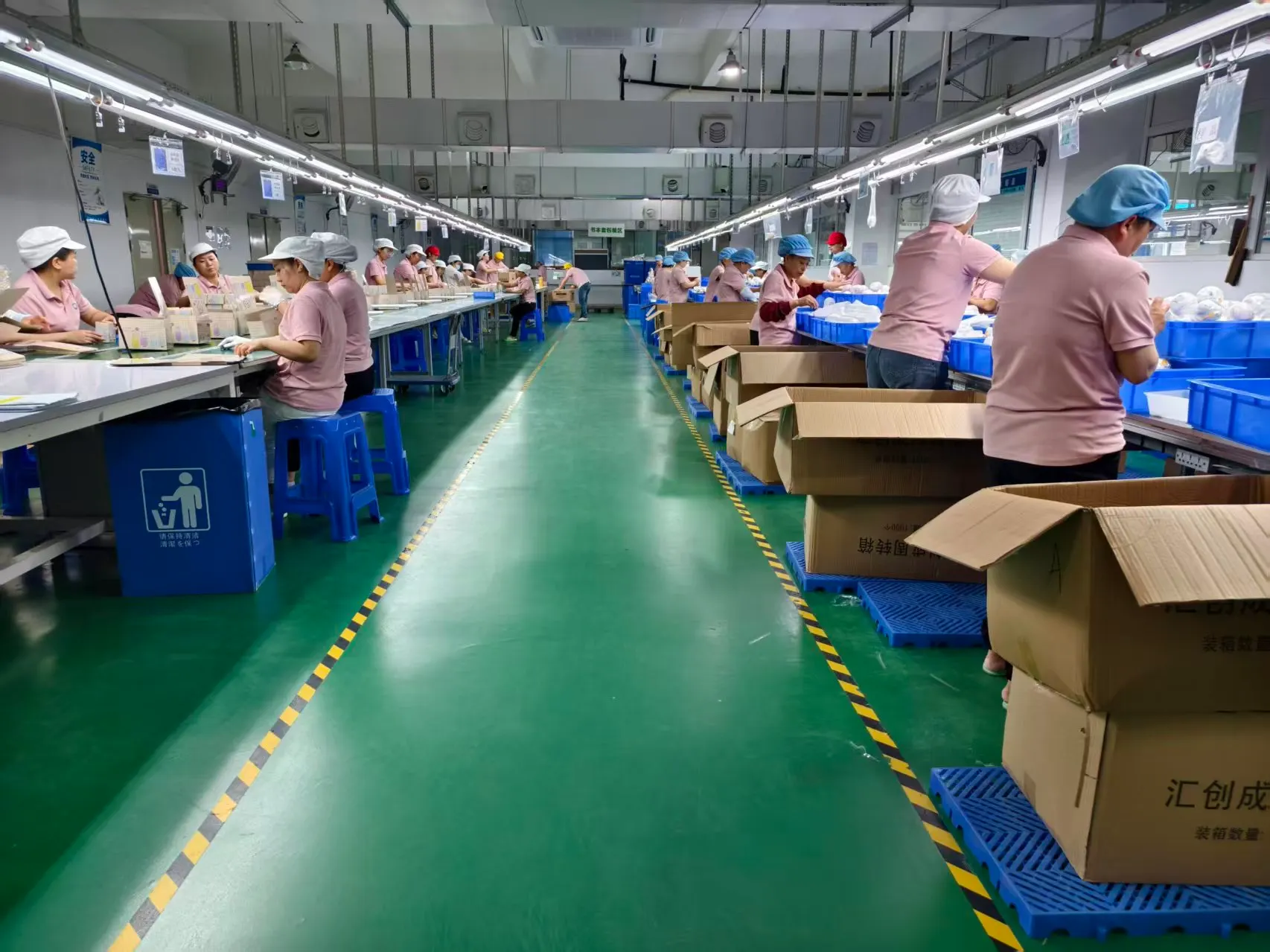
We make folding cartons, printed color boxes, corrugated mailers and master cartons, rigid lid-and-base boxes, drawer boxes and collapsible gift boxes in our own factory in Longhua, Shenzhen. The minimum order is 500 pieces per design, and you approve a sample before mass production. See our boxes and cartons service for the structures we produce.