
Freight & Logistics
Amazon Global Logistics vs a Freight Forwarder

By Alice Wu, CEO & Founder · Editorial policy Published
Short answer
Amazon Global Logistics (AGL) is Amazon's own ocean and air freight service from China to Amazon fulfillment centers, booked inside Send to Amazon. It suits sellers who ship only to FBA and want a simple, integrated booking. An independent forwarder suits sellers who need other destinations, more control, consolidation or inspection before shipping.
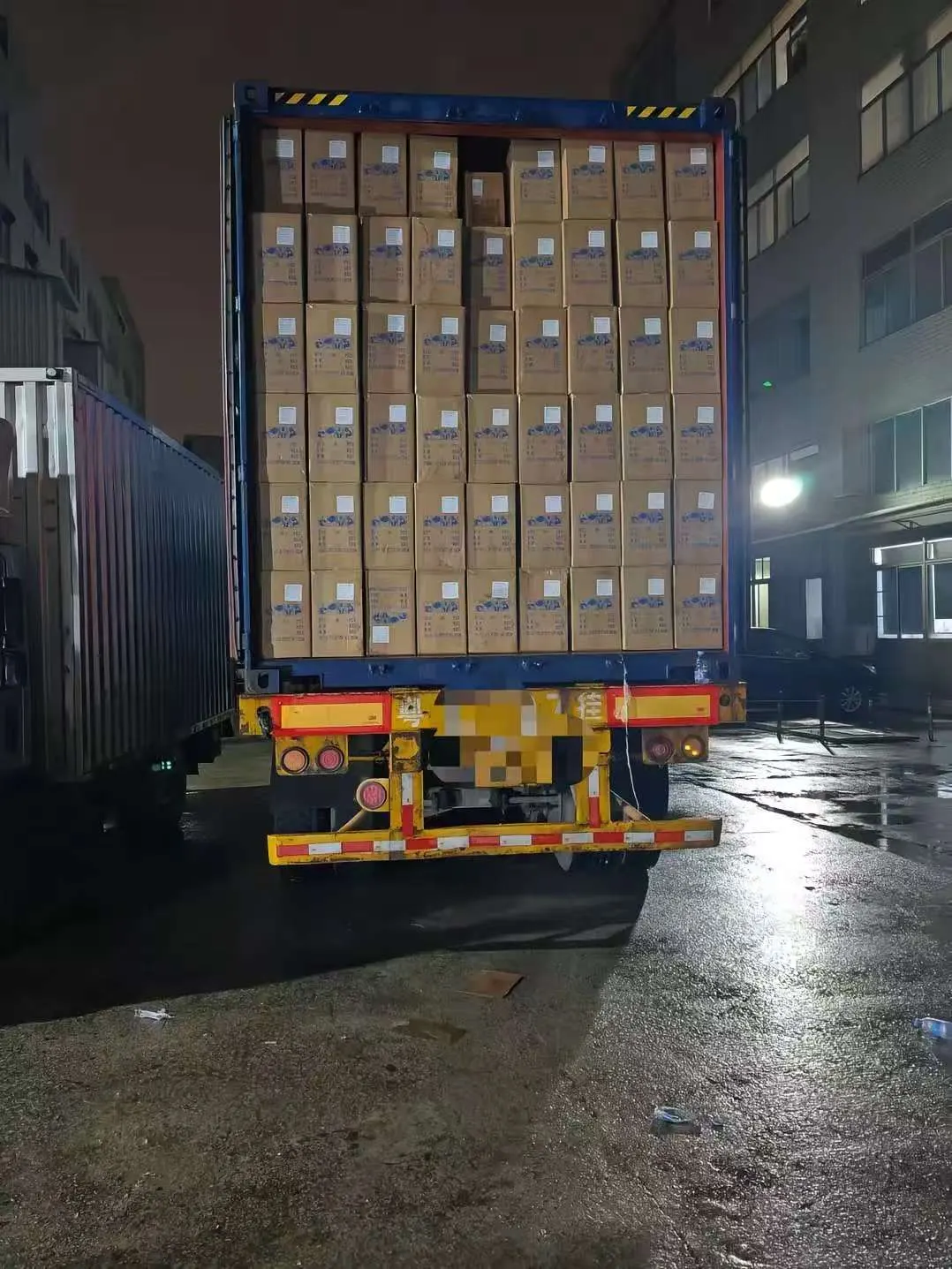
Amazon Global Logistics (AGL) is Amazon’s own freight service that moves inventory from China to Amazon fulfillment centers by ocean or air. You book it inside Seller Central while creating an FBA shipment, and Amazon handles the main transport and customs clearance into the destination country. An independent freight forwarder does the same core job but works for you rather than for the marketplace, so it can ship to any address and fit around your wider supply chain. Neither is better in every case. The right choice depends on where your goods need to go and how much control you want.
This post explains how AGL works, how booking flows through Send to Amazon, and how it compares to a forwarder on the points that matter in practice.
What Amazon Global Logistics Is
AGL is a freight service run by Amazon for sellers who import inventory for FBA. In general terms it offers:
- Ocean freight, for full containers and shared container loads, from major Chinese ports
- Air freight on some lanes, for faster or smaller shipments
- Pickup from a supplier or warehouse in China on many routes
- Customs clearance at the destination
- Final delivery to the Amazon fulfillment centers assigned to your shipment
The lanes, ports and service options vary by marketplace and change over time. Check what is currently available for your marketplace in Seller Central before you plan around it.
The key point is that AGL is built for one destination type. It delivers to Amazon fulfillment centers. It does not deliver to your own warehouse, a third-party logistics provider, a retail customer or another marketplace.
How Booking Works Through Send to Amazon
AGL is offered as a carrier option inside the Send to Amazon workflow. The basic flow is:
- Create the shipment in Send to Amazon and choose your SKUs and quantities.
- Enter box contents, carton dimensions and weights.
- Select AGL as the shipping option, choose ocean or air, and enter the pickup address in China.
- Review the quote and confirm. Charges are generally billed through your Amazon seller account.
- Prepare the goods. Units must be prepped and labeled, and cartons labeled, before pickup.
- Track the shipment in Seller Central through to receiving at the fulfillment center.
Because the booking is tied to the shipment plan, your quantities and carton data must be right before pickup. Changes after booking are harder than with a forwarder who can adjust a load in the warehouse.
Where AGL Can Be a Good Fit
AGL works well for some sellers. It is worth a look if:
- You sell only on Amazon in one marketplace and every unit goes to FBA.
- Your supplier can prep and label goods correctly before pickup.
- You want one booking and one bill inside Seller Central.
- You do not need inspection, kitting or consolidation between the factory and the port.
- Your product is simple to ship, with no hazmat, batteries or special handling issues.
For a seller in that position, AGL removes a layer of coordination. There is no separate forwarder to brief and fewer documents to pass between parties.
Where a Freight Forwarder Fits Better
A forwarder is usually the better fit when your supply chain has more moving parts:
- You ship to more than one destination, such as FBA plus your own warehouse, Walmart, a retailer or another country.
- You buy from several suppliers and want goods combined into one shipment.
- You want goods inspected, prepped, kitted or repacked before they leave China.
- You want to choose shipping terms such as DDP, DAP, FOB or CIF.
- You want a named contact who knows your account and can solve problems directly.
If you go this way, choosing the right forwarder matters a lot. We cover what to check in our list of questions to ask a China freight forwarder.
AGL vs a Freight Forwarder: Side-by-Side
The table below is a general comparison. Individual forwarders vary widely, and AGL’s options differ by marketplace.
| Factor | Amazon Global Logistics | Independent freight forwarder |
|---|---|---|
| Control | Amazon sets the process, routing and schedule options | You agree routing, timing and service level with the forwarder |
| Destinations | Amazon fulfillment centers only | Any address: FBA, 3PLs, your warehouse, retailers, customers |
| Multi-channel | Not designed for non-Amazon channels | Can split one load across FBA, Walmart, DTC and wholesale |
| Prep and consolidation before pickup | Goods must already be prepped and labeled at pickup; consolidation is limited | Many forwarders work with a warehouse that receives, consolidates and preps |
| Inspection | Not part of the service | Can be arranged before goods are loaded, through the forwarder or a partner |
| Insurance | Check current AGL terms for what is offered and covered | Cargo insurance usually available as an option; check the policy terms |
| Flexibility | Changes after booking can be difficult | Loads can often be adjusted, split or held in the warehouse |
| Support | Through Seller Central support channels | Direct contact with an account manager or operations team |
| Documentation | Built into the shipment workflow | Forwarder prepares or checks commercial invoice, packing list and bill of lading with you |
| Customs | AGL handles clearance at destination; check who is importer of record and how duties are billed | Depends on the terms: under DDP the forwarder handles import clearance and duties; under DAP, FOB or CIF the buyer or their broker usually does |
Questions That Help You Decide
Before choosing, answer these honestly:
- Does every unit go to Amazon? If not, AGL only covers part of your freight, and you will need a second provider anyway.
- Who preps the goods? If your supplier cannot apply FNSKU labels, carton labels and any required poly bags or warnings reliably, problems will surface at the fulfillment center, not at pickup.
- How many suppliers do you use? Separate pickups from several factories cost more and are harder to manage than one consolidated load.
- Do you need eyes on the goods? If quality problems would hurt your reviews, an inspection step before shipping is worth having.
- How do you want to pay duties? DDP gives you one landed price. Other terms split the costs.
Using Both
Some sellers use AGL for straightforward FBA replenishment and a forwarder for everything else, such as new products that need inspection, multi-channel orders or shipments to other countries. That is a reasonable setup. The main cost is managing two processes, so keep carton labeling and documents consistent across both.
Freight prices change often for both options. Compare full quotes for the same shipment, including pickup, customs, duties, delivery and any warehouse or prep fees, rather than headline rates.
Frequently Asked Questions
Can Amazon Global Logistics deliver to my own warehouse?
No. AGL delivers to Amazon fulfillment centers assigned to your FBA shipment. For any other destination, such as a 3PL, your warehouse or a retailer, you need a forwarder or another carrier.
Do I still need to prep goods if I use AGL?
Yes. Units and cartons must meet Amazon’s prep and labeling requirements before pickup. AGL moves the freight but does not fix prep or labeling errors, so those need to be handled by your supplier or a prep center first.
Is AGL cheaper than a freight forwarder?
It depends on the lane, the volume, the season and what is included. Compare quotes for the same shipment on a like-for-like basis, including pickup, customs, duties and final delivery. Neither option is cheapest in every case.
Who handles customs with AGL compared to a forwarder?
AGL arranges customs clearance at the destination as part of the service. Check the current terms for who acts as importer of record and how duties and taxes are billed. With a forwarder, it depends on the Incoterm: under DDP the forwarder handles import clearance and duties, while under other terms the buyer usually does.
Can I consolidate goods from several suppliers with AGL?
AGL is built around pickups for a shipment plan, so combining goods from several factories is limited. If you buy from multiple suppliers, a warehouse that receives, checks and consolidates goods before shipping usually gives you more control.
How We Can Help
We run our own warehouse in Longhua, Shenzhen, where we receive goods from multiple suppliers, inspect and prep them, and ship them by sea, air or express to FBA and other destinations in 190+ countries. See our global freight shipping service for the options, or contact us with your shipment details for a quote.