
Operations Guide
Amazon FBA Removal Order & Returns Reprocessing: How a China Prep Center Handles It

By Alice Wu, CEO & Founder Published · Last updated
Short answer
A China prep center logs each returned unit against the removal order manifest, sorts it into resellable, resellable after repackaging, or not resellable, then re-bags, relabels and reports with photos. Reprocessing usually costs less than a write-off, except for large volumes of low-margin SKUs.
Why Removal Orders Pile Up Unprocessed
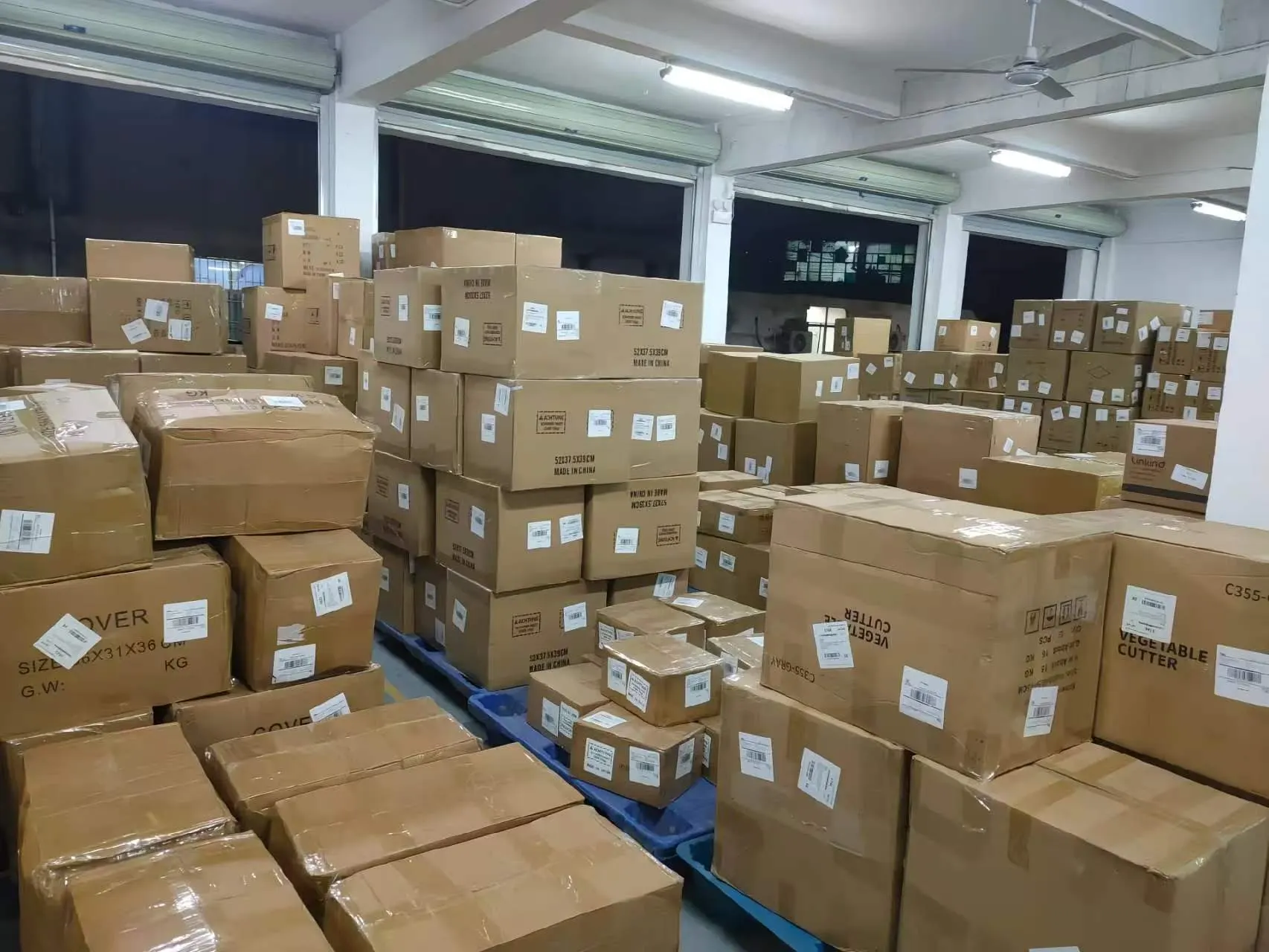
Amazon sellers request removal orders for inventory that’s aging out, being discontinued, or returned by customers — but once that inventory arrives back at a warehouse, reprocessing it is tedious enough that it often just sits. Each unit needs individual inspection, a condition call, and in many cases relabeling before it can go back on sale.
The Reprocessing Workflow
- Intake and count. Every unit is logged against the removal order manifest so nothing goes missing between receiving and reprocessing.
- Condition inspection. Each unit is sorted into one of three buckets: resellable as-is, resellable after minor repackaging, or damaged/not resellable.
- Re-bagging and relabeling. Resellable units get fresh poly bags where needed and new FNSKU labels — a used or damaged original label is one of the most common reasons a returned unit gets rejected on re-inbound.
- Reporting. You get a condition breakdown with photos before anything is relisted, repaired, or discarded, so the decision stays yours.
What happens to each condition bucket:
| Condition bucket | Typical next step |
|---|---|
| Resellable as-is | New FNSKU label if the original is used or damaged, then back to sale |
| Resellable after minor repackaging | Fresh poly bag and new FNSKU label |
| Damaged / not resellable | Reported with photos; you decide whether to repair, liquidate, or discard |
What Determines Resellable vs. Write-Off
- Packaging condition matters more than most sellers expect — a perfectly functional product in a crushed or opened box often isn’t worth reselling at full price once repackaging cost is factored in. If the same SKU comes back often, keeping spare replacement retail boxes on hand can change that math.
- Category-specific rules apply: some categories (supplements, cosmetics, anything with an expiration date) have stricter rules about what can go back on sale after a return.
- Volume changes the math — reprocessing 20 units individually is worth the labor; reprocessing 2,000 units of a low-margin SKU may not be, and liquidation becomes the better option.
Relabeling for Marketplace Transfers
The same relabeling workflow applies when inventory is being redirected rather than returned — for example, moving stock from one country’s FBA program to another, or converting FBA inventory to FBM. The barcode and compliance requirements change by destination, so relabeling isn’t optional in these cases either.
Don’t Let Removal Orders Become Dead Inventory
If you’re sitting on unprocessed removal orders or returns, the cost of reprocessing is usually lower than the cost of writing the inventory off outright. Our returns processing and relabeling service handles intake, inspection, and relabeling as a standard workflow — tell us your SKU count and we’ll quote per-unit reprocessing cost.