
Quality & Sourcing
How to Negotiate MOQ with Chinese Suppliers

By Alice Wu, CEO & Founder · Editorial policy Published
Short answer
To negotiate MOQ with a Chinese supplier, first find out what drives the minimum: material purchases, setup costs or line changeovers. Then offer something that offsets that cost, such as a higher unit price, stock materials or colors, a trial order, or a forecast commitment. Suppliers rarely drop a minimum for nothing.
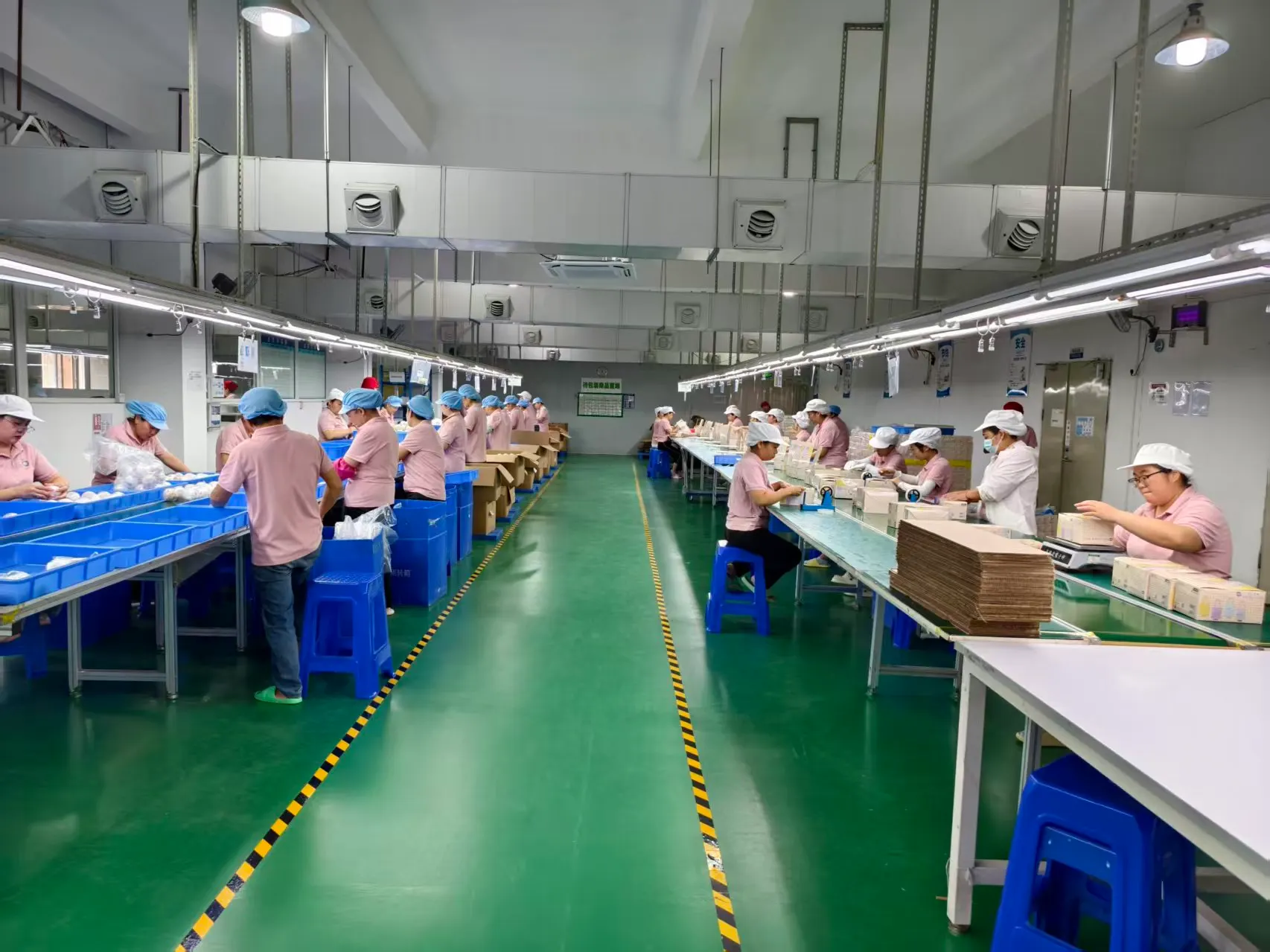
The best way to negotiate MOQ with a Chinese supplier is to find out what cost the minimum protects, then offer a trade that covers it. A minimum order quantity is rarely arbitrary; it usually reflects raw material minimums, setup costs or the time lost changing a production line. If you can reduce or pay for that cost, most suppliers will move. If you only ask for a lower number, most won’t.
This guide explains where MOQs come from, the tactics that work, what each one costs you, and the mistakes that damage a supplier relationship before it starts.
Why Suppliers Set MOQs
Understanding the reason behind a minimum tells you which tactic will work.
Raw material minimums
Factories buy materials from their own suppliers, who have minimums too. A fabric mill may sell a custom color only by the roll or by a minimum length. A plastics supplier may sell a custom masterbatch color only in a minimum batch. If your order uses only part of that, the factory is left holding the rest.
Setup, molds, dies and print plates
Many products need setup work before the first good unit comes off the line. Examples include printing plates, cutting dies, mold adjustments, machine calibration and test runs. That setup costs roughly the same whether the factory makes 300 units or 3,000. A small run spreads it over fewer units.
Line changeover and scheduling
Switching a line from one product to another takes time. Workers clean machines, swap tooling and run test pieces. A short run means a larger share of the day goes to changeover instead of output. Factories with full order books protect their schedule with higher minimums.
Labor and wastage
The first units of a run are often used to dial in settings, and some are scrapped. On a small order, that waste is a bigger percentage of the total.
Ask Before You Negotiate
Before proposing anything, ask the supplier directly:
- What is the MOQ based on: material, setup or production time?
- Is the MOQ per order, per color, per size or per SKU?
- Is there a lower MOQ if I use your standard materials or colors?
- What would the unit price be at a lower quantity?
The answers show you where the flexibility is. A minimum per color is very different from a minimum per order.
Tactics That Work
Pay a higher unit price
This is the most direct trade. If setup costs are the issue, a higher unit price on a smaller run covers them. Many suppliers will quote tiered pricing if you ask. It’s often cheaper overall than ordering stock you can’t sell.
Use stock materials and colors
Custom colors and materials usually carry the highest minimums. Choosing a color or material the factory already stocks removes the material purchase problem. You can move to custom colors once sales justify it.
Split colors or SKUs carefully
If the MOQ applies per order, ask whether you can split it across several colors or sizes. If it applies per color, consider launching with fewer colors. Be clear about which way you’re asking, because each option affects the supplier’s costs differently.
Start with a trial order
Propose a smaller first order explicitly framed as a trial, with a clear plan to reorder at full MOQ if it sells. Some suppliers accept this, especially for standard products. Expect a higher unit price, and expect them to want the reorder terms in writing.
Commit to a forecast
A forecast of annual or quarterly volume, even a non-binding one, helps a supplier plan materials and capacity. Some will accept a smaller first run against a credible forecast. Only give numbers you can stand behind. Missing a forecast hurts your credibility on the next negotiation.
Separate packaging from the product
Custom printed packaging often has its own minimum, and it can be higher than the product MOQ. If the product supplier makes your boxes through a subcontractor, their packaging minimum gets added to yours. Sourcing packaging separately from a box maker lets you negotiate each minimum on its own terms. It also lets you change the product quantity without reprinting boxes.
Build the relationship
Suppliers give more flexibility to buyers who pay on time, communicate clearly and reorder. Visiting the factory, approving samples quickly and giving clear specs all reduce the supplier’s risk. Over time, that often leads to lower minimums on later orders.
Tactics and Their Trade-Offs
| Tactic | What it solves for the supplier | What it costs you |
|---|---|---|
| Higher unit price | Covers setup and changeover on a small run | Lower margin per unit |
| Stock materials or colors | Removes custom material purchases | Less product differentiation |
| Split colors or SKUs | Keeps total volume the same | Fewer units per variant, possible stockouts |
| Trial order | Lets supplier test the relationship | Higher unit price, reorder commitment |
| Forecast commitment | Helps plan materials and capacity | Credibility risk if you miss it |
| Separate packaging sourcing | Removes stacked packaging minimums | More suppliers to coordinate |
| Relationship building | Lowers perceived risk | Time and consistency |
What Not to Do
- Don’t lie about future volume. Suppliers talk to many buyers and can tell when numbers are inflated. If you miss a big forecast, the next negotiation gets harder.
- Don’t push the price down and the MOQ down at the same time. Asking for both usually signals that you don’t understand the costs. Pick one.
- Don’t accept a low MOQ without checking quality. A supplier willing to take any order at any price may be cutting corners. Inspect samples and production.
- Don’t skip supplier checks. A trading company can sometimes offer lower minimums by grouping orders, but you need to know who actually makes the goods. See our guide on how to verify a Chinese supplier.
- Don’t negotiate only by message. A call or a factory visit often resolves in minutes what takes days of back-and-forth by message.
Why Our Own Box MOQ Is 500 Pieces
We make custom boxes and cartons in our own factory in Longhua, Shenzhen, and our minimum is 500 pieces per design. The reasons are the same ones described above. Each new design needs a die-cutting die, printing setup, color matching and test sheets before production starts. Below a few hundred pieces, that setup cost would make the unit price unreasonable for most buyers.
We set the minimum at 500 because it keeps small brands and first orders practical while covering setup. Larger quantities lower the unit price. For how quotes are built, see our pricing page.
Frequently Asked Questions
Is a supplier’s first MOQ quote usually negotiable?
Often, yes, but the room varies. Standard products made from stock materials tend to have more flexibility than fully custom ones. Ask what the minimum is based on before you counter, so your offer addresses the real cost.
Does the MOQ apply per color or per order?
It depends on the supplier, so always ask. Some set a minimum for the whole order and let you split it across colors or sizes. Others set a minimum per color or per SKU because each one needs its own material purchase or setup.
Should I pay a mold or setup fee to get a lower MOQ?
It can make sense if you plan to reorder. Paying setup separately lets the supplier accept a smaller run without raising the unit price much. Confirm in writing who owns the mold or tooling, and whether the fee is refunded or credited on later orders.
How do I get a lower MOQ on custom printed packaging?
Use standard board and sizes where possible, limit the number of print colors and finishes, and order packaging from a box maker rather than through your product supplier. Packaging minimums are usually driven by die, plate and print setup.
Can a sourcing agent help negotiate a lower MOQ?
A sourcing agent can compare several suppliers, find factories whose standard runs match your volume, and explain the cost drivers in each quote. That gives you more options than negotiating with a single supplier.
How We Can Help
We help buyers find and compare suppliers in China, check samples and negotiate terms through our product sourcing service. If you need custom printed packaging, our boxes and cartons service makes boxes in-house from 500 pieces per design.