
Amazon Prep
How to Ship from China to Amazon FBA, Step by Step

By Alice Wu, CEO & Founder · Editorial policy Published
Short answer
To ship from China to Amazon FBA, get each unit labeled and packed to Amazon's rules, create a shipment in Send to Amazon, print carton labels, book sea, air or express freight on clear Incoterms, clear customs with a valid importer of record, and, for pallet or truckload freight, book a delivery appointment at the fulfillment center.
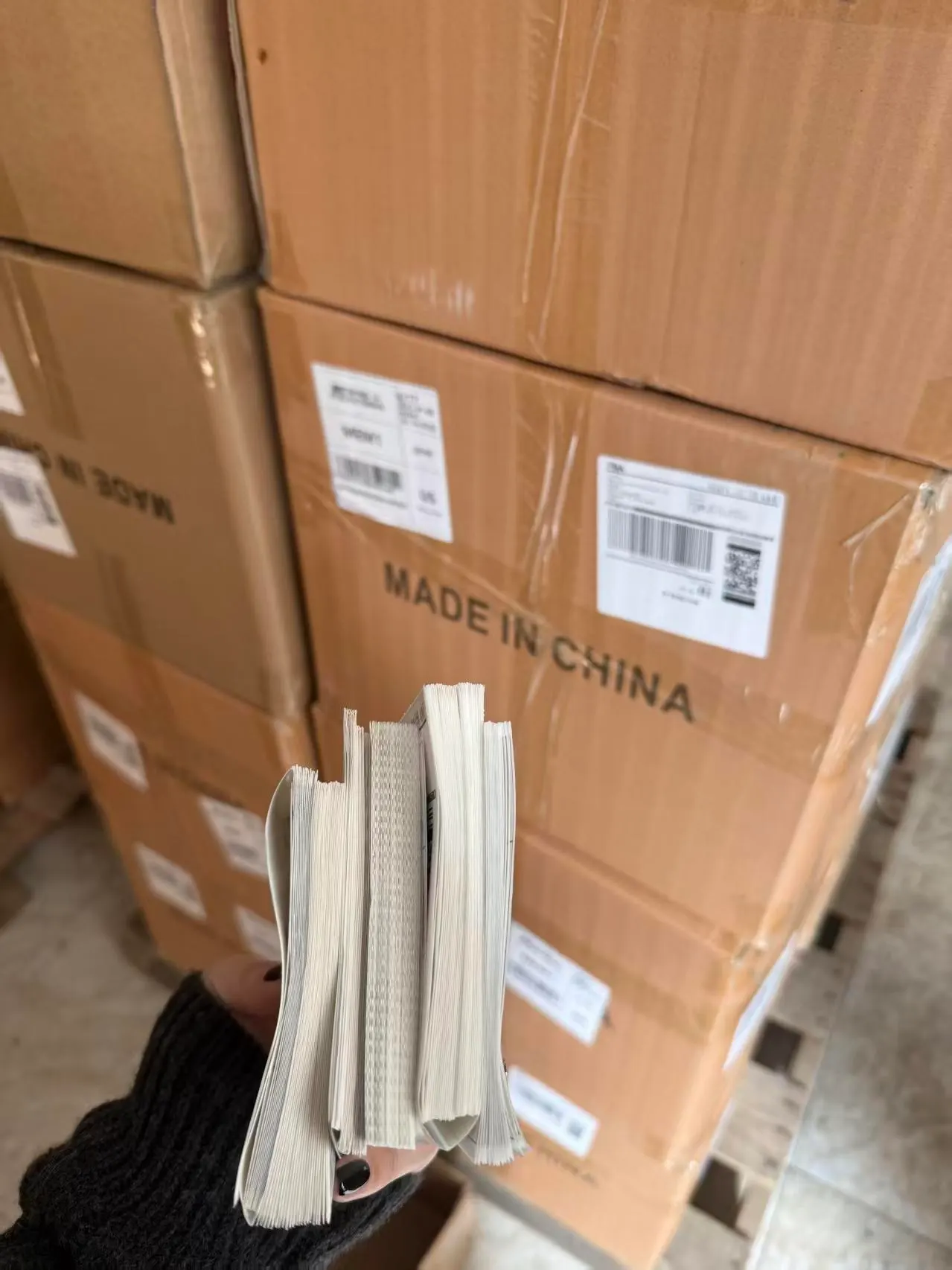
How to ship from China to Amazon FBA comes down to two jobs done in the right order: make the goods Amazon-ready, then move them through freight and customs to the fulfillment center Amazon assigns. You prepare and label each unit, create a shipment in Seller Central’s Send to Amazon workflow, label the cartons, book freight on agreed terms, clear customs with a proper importer of record, and deliver on time.
Most problems happen when one of these steps is done late or out of order. A carton label printed before the shipment plan is final, or freight booked before anyone checked carton sizes, can cost weeks. This guide walks through the full flow and points to our deeper guides where a step needs more detail.
The Full Flow at a Glance
| Step | What happens | Who usually does it | Common mistake |
|---|---|---|---|
| 1. Product readiness | Goods finished, inspected, and packed to Amazon’s rules | Supplier, prep center | Shipping before inspection |
| 2. Unit labels | FNSKU (and Transparency codes if enrolled) on every unit | Supplier or prep center | Wrong FNSKU on a variant |
| 3. Shipment plan | Create the shipment in Send to Amazon, pick a placement option | Seller | Packing cartons before the plan exists |
| 4. Box content and carton labels | Enter what is in each carton, print and apply FBA box labels | Seller, prep center | Box contents that do not match reality |
| 5. Freight booking | Choose sea, air or express and the Incoterm | Seller, forwarder | Unclear who pays duties |
| 6. Export and import customs | Export declaration in China, import entry at destination | Forwarder, customs broker, importer of record | No importer of record named |
| 7. Final delivery | Delivery appointment (for pallet and truck freight) and drop-off | Carrier | Missed appointment window |
| 8. Check-in | Amazon receives, scans and reconciles units | Amazon, seller monitors | Not checking for discrepancies |
The rest of this guide explains each step.
Step 1: Get the Product Ready
Before anything is labeled or booked, confirm the goods are finished and correct. That means:
- Inspect the goods. An AQL inspection at the factory, or a receiving check at a warehouse, catches wrong colors, missing parts and damaged packaging while the goods are still in China. Fixing problems here is far cheaper than dealing with returns later.
- Check packaging against Amazon’s prep rules. Some products need poly bags with a suffocation warning, bubble wrap, or a sealed set. Amazon’s prep requirements depend on the product type.
- Confirm carton size and weight. Amazon has carton dimension and weight limits for standard shipments. Cartons outside them may need a team-lift label, a different pack-out, or palletizing. Our guide to Amazon FBA box size and weight limits covers the rules.
Amazon’s prep and labeling services in the US are being phased out, so goods now need to arrive already prepped. Plan for that work to happen in China, either at your supplier or at a prep center.
Step 2: Label Every Unit
Each sellable unit needs a scannable identifier. For most sellers this is an FNSKU label generated in Seller Central. If your brand is enrolled in Amazon’s Transparency program, each unit also needs a unique Transparency code.
Key points:
- Use the exact FNSKU for each variant. Size and color mix-ups are one of the most common labeling errors.
- Cover any other scannable barcode on the outer packaging so the scanner only reads the FNSKU.
- Scan-verify labels before cartons are sealed.
For a full pre-shipment checklist, see our FNSKU labeling compliance checklist.
Step 3: Create the Shipment in Send to Amazon
Send to Amazon is the Seller Central workflow for creating inbound shipments. The order of work matters, so do it like this:
- Choose the inventory to send. Select the SKUs and quantities. Set up packing templates that describe how many units go in each carton and the carton dimensions and weight.
- Confirm the ship-from address. Use the address where the goods will actually ship from. If a warehouse in China is shipping, that warehouse address goes here.
- Choose a placement option. Amazon offers different ways to split the shipment across fulfillment centers. Some splits carry an inbound placement fee and some do not. Our guide to the Amazon inbound placement fee explains the options.
- Choose the shipping mode. Small parcel delivery (SPD) for individual cartons, or less-than-truckload / full truckload (LTL/FTL) for palletized freight.
- Review destinations. Amazon tells you which fulfillment centers receive which cartons. Each destination becomes its own shipment with its own shipment ID.
Do not pack and seal cartons for a specific destination until the plan is confirmed. Once you know which cartons go where, you can pack and mark them correctly.
Step 4: Box Content Information and Carton Labels
Amazon needs to know what is inside each carton. In Send to Amazon, this is usually provided through packing templates or by entering carton contents directly. Accurate box content helps Amazon receive your goods faster. If box content information is missing, Amazon may apply a manual processing fee.
Then print the FBA box labels from the shipment. Each carton gets its own label with a unique carton ID. Key rules:
- One FBA box label per carton, on a flat side, not over a seam.
- Do not reuse a label from another carton or shipment.
- If cartons are palletized, pallets need their own labels too.
- Add your own shipping marks if your forwarder needs them, but keep the Amazon label clear.
Step 5: Choose Sea, Air or Express, and the Incoterm
There are three main ways to move goods from China to an Amazon fulfillment center:
| Mode | Best for | Trade-off |
|---|---|---|
| Sea freight (LCL or FCL) | Larger, heavier shipments and regular replenishment | Lowest cost per kilo for bulk, but the longest lead time and more handling steps |
| Air freight | Mid-size urgent shipments | Faster than sea, priced on chargeable weight, so bulky light goods get expensive |
| Express courier | Small, urgent shipments and samples | Simplest door-to-door option, highest cost per kilo |
For a detailed comparison, read sea freight vs air freight from China.
The Incoterm decides who pays for and handles each leg. The main options are:
- FOB: your supplier delivers to the port in China. You handle freight, insurance, import customs and duties from there.
- CIF: the seller pays freight and insurance to the destination port. You handle import clearance and onward delivery.
- DAP: delivered to the destination address. You still pay import duties and taxes and act as importer.
- DDP: delivered with duties paid. The shipper handles import clearance and duties.
DDP is popular with Amazon sellers because it gives one landed price to the fulfillment center. The important detail is who acts as importer of record. Our guide to DDP vs DDU shipping from China explains the risks.
Step 6: Customs and the Importer of Record
Goods need to clear export customs in China and import customs at the destination.
- Export: your forwarder or supplier files the export declaration. Make sure the commercial invoice and packing list match the cartons.
- Import: the importer of record (IOR) is the party legally responsible for the import, including correct classification, value and duty payment. Amazon does not act as importer of record for your FBA shipments. You must name one, either your own business or a service provider under a DDP arrangement.
For US imports, the importer of record usually needs a customs bond. For ocean freight, an Importer Security Filing (ISF) must be filed before the goods are loaded on the vessel in China. Your HS code determines the duty rate. The US government publishes tariff classifications on the Harmonized Tariff Schedule, and CBP explains importer responsibilities on its basic import and export page.
Other countries have their own rules, such as an EORI number for the UK and EU. Check the requirements for each marketplace you ship to.
Step 7: Delivery Appointment and Final Delivery
How the goods reach the fulfillment center depends on the shipping mode you chose in Send to Amazon:
- Small parcel delivery: carriers deliver individual cartons. No appointment is needed.
- LTL or FTL freight: the carrier must book a delivery appointment with the fulfillment center through Amazon’s carrier scheduling system. Pallets must meet Amazon’s pallet requirements.
Missing an appointment can mean waiting for a new slot. Build some slack into your plan, especially in the fourth quarter.
Step 8: Check-In and Reconciliation
After delivery, Amazon receives the shipment. The status moves through stages such as checked-in, receiving and closed. Watch for:
- Unit discrepancies: fewer units received than shipped.
- Problem receives: labeling or prep issues found at the dock.
- Stranded inventory: units received but not available for sale because of listing problems.
Keep your packing lists, carton IDs and proof of delivery. If units are missing, you will need them to open a reconciliation case.
Frequently Asked Questions
Can my Chinese supplier ship directly to an Amazon fulfillment center?
Yes, if your supplier can apply correct FNSKU and carton labels and pack to Amazon’s rules. Many suppliers are not familiar with these rules, so a lot of sellers route goods through a prep center or warehouse in China first. That adds one checkpoint before the goods leave the country.
What address goes in the ship-from field for goods coming from China?
Use the address where the goods will actually be picked up, such as your supplier’s factory or the warehouse that packs your cartons. The ship-from address should match reality, because it affects the shipment plan and Amazon’s records.
Do I need my own customs broker to send inventory to FBA?
You need someone to clear the goods through import customs on behalf of the importer of record. That can be your own broker, a broker arranged by your forwarder, or the provider handling a DDP shipment. What matters is that an importer of record is clearly named and accepts responsibility.
Should I choose small parcel or LTL in Send to Amazon?
Small parcel suits shipments of individual cartons, often air or express freight. LTL or FTL suits palletized sea freight delivered by truck from the port. Your forwarder can advise which fits your carton count and final-mile setup.
When should I print FBA carton labels?
Print them after the shipment plan is confirmed and you know which cartons go to which fulfillment center. Labels printed too early may not match the final destinations or shipment IDs.
How We Can Help
From our facility in Longhua, Shenzhen, we handle the China side of this flow in one place: receiving and inspection, FNSKU and Transparency labeling with scan verification, carton labels, and sea, air or express freight on DDP, DAP, FOB or CIF terms. See our Amazon FBA prep service in China for what is included.