
Cost Guide
Amazon Inbound Placement Fee: How It Works and How to Cut It

By Alice Wu, CEO & Founder · Editorial policy Published
Short answer
The Amazon inbound placement fee is a per-unit charge for sending FBA inventory to fewer fulfillment centers than Amazon would choose. Amazon-optimized splits usually carry no fee, while partial and minimal splits cost more. The rate depends on size tier, unit count and inbound region. Consolidating cartons and planning splits carefully keeps it down.
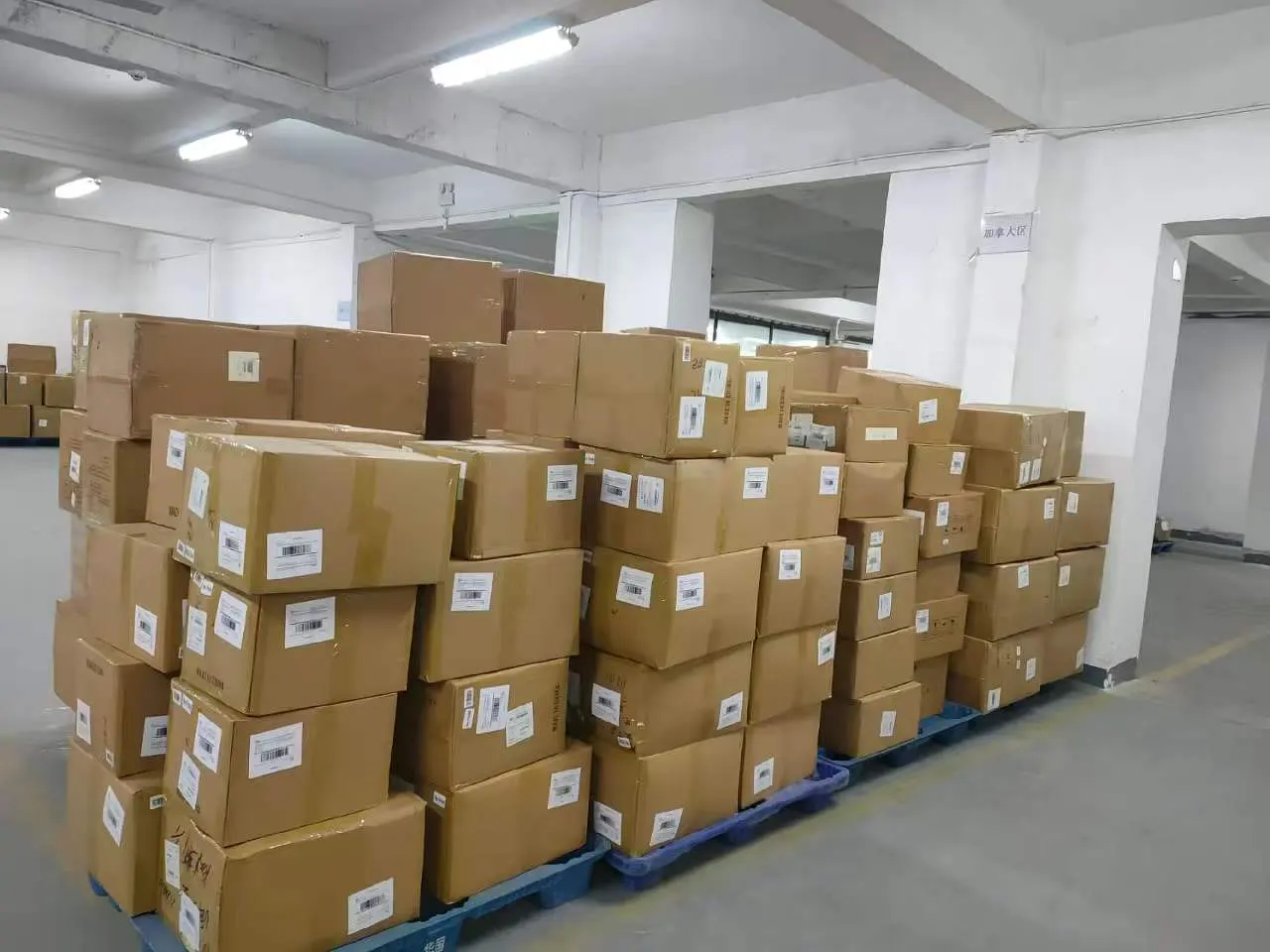
The Amazon inbound placement fee is a per-unit charge Amazon applies when you send FBA inventory to fewer fulfillment centers than it would choose on its own. If you accept Amazon’s recommended split across several locations, you usually pay no placement fee. If you ask to send to one or a few locations, Amazon does more of the distribution work and charges you for it.
The fee is now a normal line in FBA cost planning. It can be small per unit, but on a large replenishment it adds up. This guide explains how the fee is structured, what changes the amount, and how sellers shipping from China can keep it low.
A note on numbers: Amazon publishes the current rates in Seller Central and has changed them several times since the fee was introduced in 2024. We describe the structure here and avoid quoting rates, because any figure we print could be out of date by the time you read it. Always check the rate card in Seller Central before you plan a shipment.
What the Fee Pays For
Amazon wants inventory spread across its network, close to where customers buy. When you send everything to one place, Amazon has to move units between its own buildings later. The inbound placement fee covers that internal transfer and placement work.
In practice, the fee is Amazon’s way of letting you choose between two costs:
- Ship to more locations yourself. You pay more freight and handling to reach several fulfillment centers, but no placement fee.
- Ship to fewer locations. You save on freight and handling, but pay Amazon to redistribute.
The right choice depends on your freight setup, which is why sellers shipping from China often see this differently from domestic sellers.
The Placement Options
When you create a shipment in Send to Amazon, the workflow shows placement options before you confirm. Amazon has used three main types:
| Option | What it means | Placement fee | Typical trade-off |
|---|---|---|---|
| Amazon-optimized split | Amazon chooses several destinations across its network | Usually none | More shipments to manage, more final-mile deliveries |
| Partial split | Fewer destinations than optimized, often a small number | Reduced fee per unit | Middle ground on cost and handling |
| Minimal split | One or very few destinations | Highest fee per unit | Simplest delivery, highest placement cost |
Amazon shows an estimated placement fee for each option during the workflow. The final charge is based on what is actually received, so the amount on your invoice can differ from the estimate if quantities or receiving locations change.
Amazon has also set eligibility rules for some options. For example, the optimized split has required a minimum number of identical cartons or pallets per SKU, and option availability can depend on the shipping mode you pick. These rules change, so check what Seller Central offers for each shipment rather than assuming last quarter’s options still apply.
What Changes the Fee Amount
Several factors drive the per-unit rate and the total you pay:
Size tier
Amazon prices the fee by product size tier. Standard-size items pay a lower rate per unit than large bulky items, because bulky goods cost more to move between buildings. Amazon has adjusted the size tier structure over time, so confirm which tier each ASIN falls in.
Shipment size
Within each size tier, Amazon has tied the rate to the number of units in the shipment, with different rates for smaller and larger shipments. Many small shipments can cost more per unit than fewer large ones.
Number of inbound locations
This is the core of the fee. The fewer locations you send to, the more Amazon charges. An optimized split avoids the fee because you are already doing the distribution.
Region
For the minimal split, Amazon has varied the rate by the region you send to. Where your inventory lands affects how far Amazon has to move it, and the fee reflects that.
Shipment accuracy
Shipments that are abandoned, have wrong quantities, or have quality problems can affect which rate applies. Amazon has said that a shipment that does not match its plan can be charged at a less favorable rate. Accurate box content and quantities protect the rate you chose.
How Sellers Reduce the Fee
There is no single right answer. The goal is to compare the placement fee against the extra freight and handling of shipping to more locations, then pick the lowest total.
1. Compare total landed cost, not just the fee
For each placement option, add up:
- The placement fee estimate shown in Send to Amazon.
- The freight cost to reach each destination, including final-mile delivery from the port.
- Any extra handling, labeling or palletizing for more shipments.
Sometimes paying a placement fee is cheaper than splitting a container across several fulfillment centers. Sometimes the optimized split wins easily. Run the numbers each time.
2. Consolidate cartons from several suppliers
If you buy from more than one factory, each one shipping separately to Amazon creates several small shipments. Small shipments tend to get worse placement rates and more final-mile cost. Consolidating goods in one warehouse in China lets you send fewer, larger shipments. Our guide on how to consolidate shipments from multiple Chinese suppliers walks through the process.
3. Build shipments that qualify for the optimized split
If the optimized split needs a minimum number of identical cartons per SKU, plan your carton counts with that in mind. Packing a SKU in identical cartons with the same units per carton makes it easier to qualify. A prep center can pack to a fixed carton spec so every carton for a SKU is the same.
4. Ship larger, less frequent batches where storage allows
Bigger shipments can fall into a lower per-unit rate band. Balance this against your FBA capacity limits and storage fees. Sending more than you can sell in a reasonable time trades a placement saving for storage costs.
5. Keep box content information accurate
Enter carton contents carefully through packing templates. Wrong quantities lead to receiving problems and can push a shipment to a less favorable rate. Scan-verify labels and count units before cartons are sealed.
6. Review the estimate before you confirm
Placement options and estimates appear before you accept them. Do not click through on autopilot. Look at each option, check the estimated fee, and compare it with your freight quote for each destination.
How This Fits a China-to-FBA Flow
For sea freight, goods often arrive at one port and travel by truck to the fulfillment centers. An optimized split may mean several truck deliveries from the same port, each with its own appointment. A minimal split may mean one delivery but a placement fee.
For air or express freight, cartons usually travel as small parcels. Splitting across several fulfillment centers may cost little extra in freight, so the optimized option is often attractive.
For the full shipping process, see our guide on how to ship from China to Amazon FBA.
Amazon publishes its current FBA fee overview on its Amazon seller pricing page, and detailed placement rates in Seller Central. Both may change.
Frequently Asked Questions
When is the inbound placement fee actually charged?
Amazon shows an estimate when you choose a placement option and bills the actual fee after the shipment has been received. The final amount is based on the units and locations actually received. You can review placement fee charges in Seller Central’s fulfillment reports.
Is the Amazon-optimized split always the cheapest option?
Not always. It usually avoids the placement fee, but it can increase your freight and handling costs because you deliver to more locations. Compare the total cost of each option, including final-mile delivery from the port.
Does the placement fee apply to every product?
It applies to most FBA inventory sent through standard inbound shipments, with the rate varying by size tier. Amazon has offered some exceptions and promotions, such as for certain new products. Check Seller Central for current exceptions before planning around them.
Can I change the placement option after creating a shipment?
Once you confirm a placement option, the shipments and destinations are set. To choose a different option, you generally need to cancel and recreate the shipment before it ships. Decide carefully before you confirm.
Does using a prep center in China change the fee?
The prep center does not change Amazon’s rates. It can help you qualify for better options by consolidating goods from several suppliers into larger shipments and packing SKUs into identical cartons.
How We Can Help
At our warehouse in Longhua, Shenzhen, we receive goods from several suppliers, check them, pack each SKU to a consistent carton spec, and ship them together as larger FBA shipments. See our warehousing and consolidation service for details, or our pricing page to see how our services are priced.