
Cost Guide
Sourcing Agent Fees: What a China Agent Should Cost

By Alice Wu, CEO & Founder · Editorial policy Published
Short answer
Sourcing agent fees are usually charged as a percentage of order value, a flat fee per project, or an hourly or monthly retainer. A free agent is normally paid by suppliers instead. The fairest arrangement is one where you see the real factory price, know the supplier's name, and have the agent's fee and scope in writing.
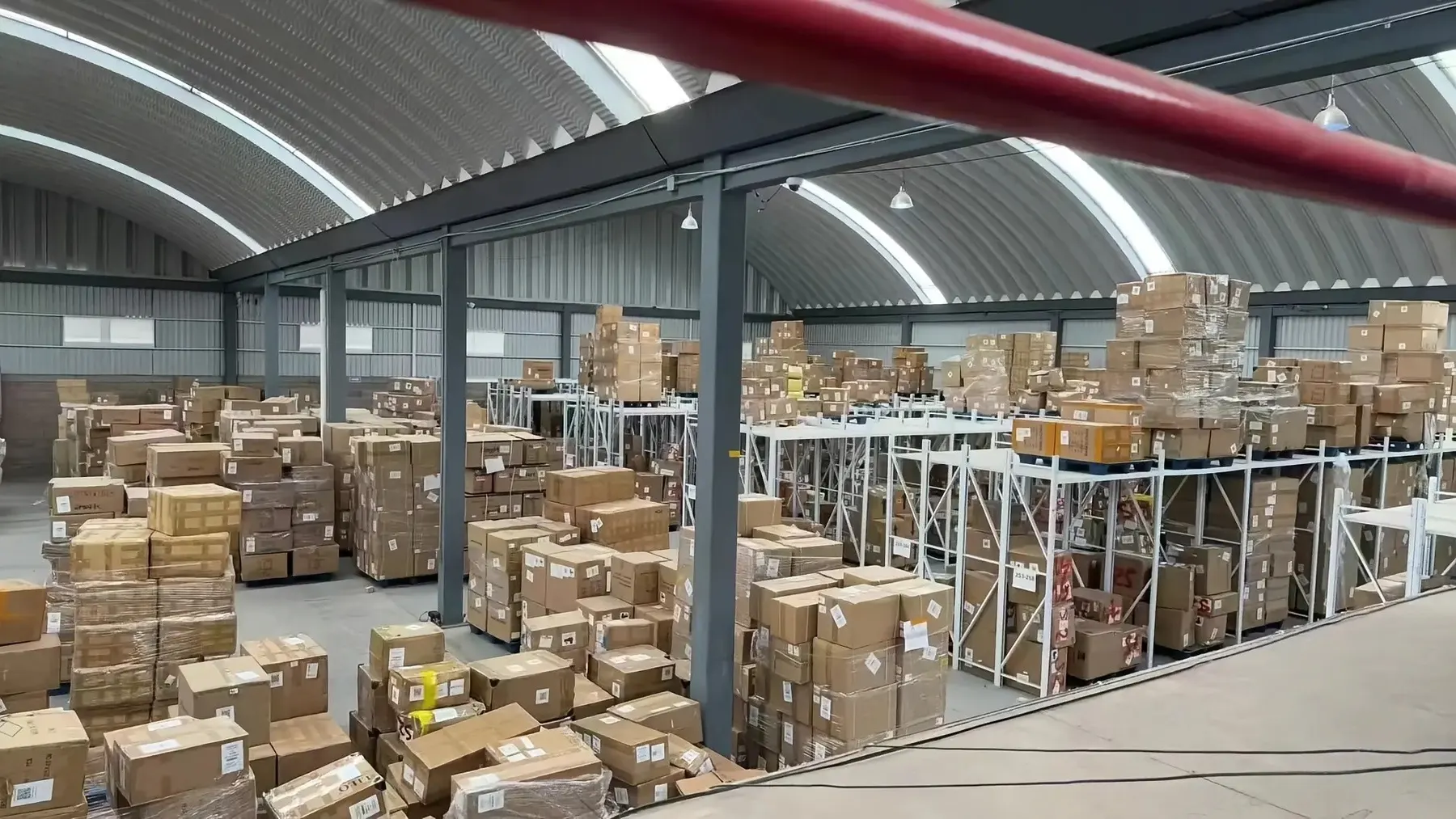
Sourcing agent fees in China are usually charged in one of three ways: a percentage of the order value, a flat fee per project, or an hourly or monthly retainer. A fourth option, the agent who charges you nothing, is almost always paid by the supplier instead, and that cost ends up in your product price.
None of these models is wrong in itself. What matters is whether you can see what you are paying, what the agent does for it, and who the agent is really working for. This guide compares the models, lists the costs that sit outside the headline fee, and explains what a fair agreement should include.
The Common Pricing Models
Percentage commission
This is the most common model. The agent charges a percentage of the value of the goods you buy through them. Many agents publish commission rates somewhere in the region of a few percent up to around ten percent of order value, often with a minimum fee per order so that small orders are still worth their time. Rates tend to be lower for large, repeat orders and higher for small or complex ones.
The advantage is simplicity: the fee scales with the size of the job. The weakness is that an agent paid on order value has no built-in reason to push the price down, since a lower price means a lower fee. A good agent negotiates anyway, but it is worth knowing the incentive exists.
Flat fee per project
Some agents quote a fixed fee for a defined task, such as building a supplier shortlist, collecting samples or managing one production run. This works well when the scope is clear. You know the cost up front, and the agent’s pay does not depend on how much you spend with the factory.
The risk is scope creep. If the project grows (more suppliers, more sample rounds, a second production run), the flat fee may need to be renegotiated. Get the scope in writing.
Hourly or monthly retainer
Retainers suit buyers with ongoing work across many products, such as a brand that needs someone following production and quality every month. Hourly billing suits one-off research or consulting. Both models separate the agent’s income from the order value, which removes the incentive problem of commissions.
The downside is less predictability. Ask for time reports, and agree on what a month’s retainer covers.
The “free” agent
Some agents advertise no fee at all. They earn money another way: a commission paid by the supplier (a kickback), or a markup added to the factory price before it reaches you. You may still pay the same or more in total, but you cannot see how much went to the agent. This model also gives the agent a reason to steer you toward the supplier that pays them best, not the one that suits your product.
The Models Compared
| Model | How the agent is paid | Cost visibility | Incentive alignment | Best for |
|---|---|---|---|---|
| Percentage commission | Share of order value | Good, if factory price is shown | Moderate | Most product orders |
| Flat fee per project | Fixed amount per task | High | Good | Clearly defined tasks |
| Hourly or retainer | Time or monthly fee | High, with time reports | Good | Ongoing or consulting work |
| “Free” agent | Supplier kickbacks or markup | Low | Weak | Rarely a good choice |
Hidden Costs Outside the Headline Fee
The quoted fee is rarely the whole cost of sourcing. Ask about each of these before you agree:
- Markups on goods. Some agents add a margin to the factory price and also charge a commission. If you never see the factory’s own quote, you cannot tell.
- Sample fees. Factories often charge for samples, and there is courier cost to collect and send them. Ask whether the agent passes these on at cost or adds a handling charge.
- Inspection. Pre-shipment or during-production inspection is usually priced separately from sourcing. Find out who does it and whether it is independent of the supplier.
- Factory visits and travel. Visiting a supplier outside the agent’s city may be billed as extra.
- Shipping and consolidation. Freight, warehouse handling and consolidation of goods from several suppliers are normally separate charges.
- Payment handling. If you pay the agent and the agent pays the factory, ask about bank charges or currency conversion margins.
Red Flags
Be cautious if an agent:
- Refuses to tell you the supplier’s name or let you contact the factory.
- Will not show you the factory’s original quote or invoice.
- Offers to work for free with no explanation of how they are paid.
- Has no written agreement or will not define what is included.
- Pushes one supplier hard without showing alternatives.
- Asks for full payment before production with no inspection step.
- Cannot show a registered business or a real address you can verify.
Many of the same checks you would run on a factory apply to an agent. Our guide on how to verify a Chinese supplier covers business license checks and how to tell a factory from a trading company.
What a Fair Agreement Includes
A fair sourcing agreement does not have to be long, but it should be written and cover these points:
- Scope. Which tasks are included: supplier search, quote comparison, samples, negotiation, production follow-up, inspection, shipping.
- Fee and basis. The percentage, flat fee or rate, what it is calculated on, any minimum, and when it is due.
- Price transparency. You see the factory’s quote and invoice, so you know the goods price and the agent’s fee separately.
- Supplier disclosure. You know the name and address of each factory making your goods.
- No undisclosed supplier payments. The agent confirms they are not taking commissions from suppliers, or discloses them if they do.
- Extra costs. How samples, inspection, travel and freight are charged.
- Ownership. Your designs, molds and specifications belong to you.
Price is not the only thing an agent can negotiate. Minimum order quantity often matters just as much for a first order; see our guide to negotiating MOQ with Chinese suppliers.
Frequently Asked Questions
Is a percentage commission better than a flat fee?
Neither is better in every case. A percentage is simple and scales with the order, which suits most product purchases. A flat fee is easier to budget for a clearly defined task, such as a supplier shortlist. Choose the model that fits how clear your scope is.
How can I tell if an agent is taking a supplier kickback?
You often cannot tell directly, which is why transparency terms matter. Ask to see the factory’s own quote and invoice, ask for the supplier’s name and contact, and get a written statement that the agent takes no supplier commissions. Refusal on any of these is a warning sign.
Do sourcing agent fees usually include quality inspection?
Often not. Many agents price inspection separately, and some use third-party inspectors. Ask whether inspection is included, who carries it out, and what standard is used, such as an AQL sampling level.
Should I pay a sourcing agent before or after the goods are produced?
That depends on the model. Flat fees and retainers are often paid in stages or in advance. Commissions are commonly paid with the order deposit and balance. Keep part of the payment, either the agent’s or the factory’s, until goods pass inspection.
Can I hire an agent for only part of the work?
Yes. Many buyers use an agent only to find and check suppliers, or only to inspect and ship goods from a supplier they already have. Agree on the scope in writing so the fee matches the work.
How We Can Help
Shenzhen Color Printing Paper Packaging Co., Ltd. was founded in 2016 and runs its own printing and box factory and an FBA prep warehouse in Longhua, Shenzhen. Our sourcing is charged as a percentage of order value, with the rate and minimum listed on our pricing page. Because goods come to our own facility, we can inspect, box, label and ship them in one place, and we can also arrange factory audits and pre-shipment inspection at the supplier. See our product sourcing agent service for what the work covers.