
Cost Guide
How Much Do Custom Boxes Cost? Per-Unit Price Factors

By Alice Wu, CEO & Founder · Editorial policy Published
Short answer
How much custom boxes cost depends mostly on box style, board grade, size, print coverage, finishes and order quantity. Rigid boxes cost the most per unit, folding cartons the least. Unit price falls as quantity rises because setup costs are spread over more boxes. A complete spec sheet is the only way to get an accurate quote.
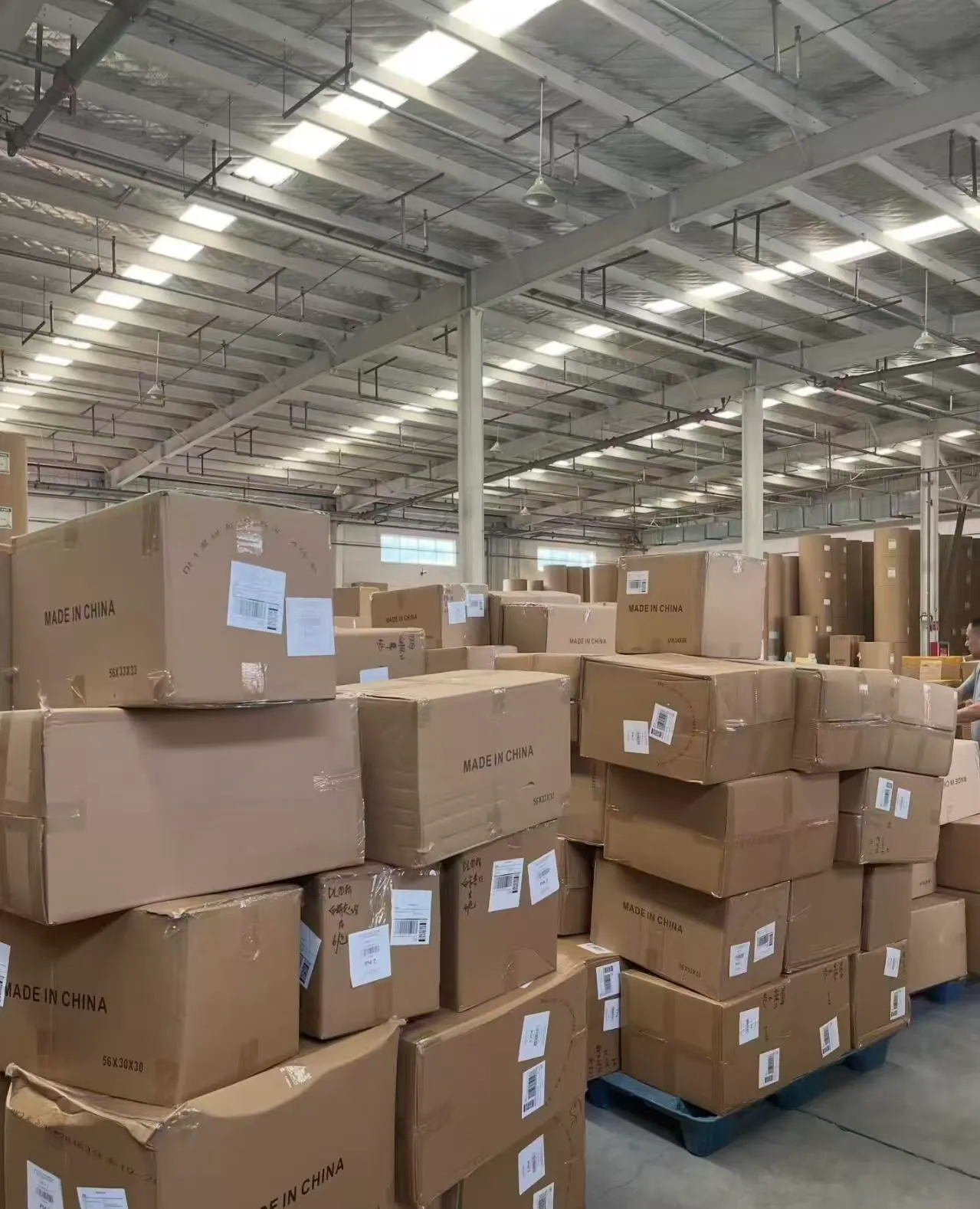
How much do custom boxes cost? It depends mainly on six things: the box style, the board it is made from, the size, how much of it is printed and finished, any inserts, and how many you order. Two boxes that look similar in a photo can be priced very differently because one is a folding carton with one-color print and the other is a rigid box with foil, embossing and a fitted insert.
This guide explains what each factor does to the per-unit price, how quantity changes the math, what to send a factory so the quote is accurate, and how to cut cost without the box looking cheap.
A Rough Sense of the Market
You will find published list prices from Chinese box makers that often start at a few US cents for a simple printed folding carton and run to around one dollar or more per piece for rigid or heavily finished boxes, at orders of 500 pieces and up. Treat that as loose orientation only: real prices move with paper costs, exchange rates and the exact spec. For our own figures, see our published starting prices.
What Drives the Unit Price
The table below shows how strongly each factor usually affects the price of one box. “High” means a change in this factor can move the unit price a lot; “Low” means it usually adds a small amount.
| Factor | What changes | Effect on unit price |
|---|---|---|
| Box style | Folding carton, mailer, rigid, drawer, magnetic | High |
| Board and gsm | Paperboard weight, flute type, greyboard thickness | Medium to high |
| Size | Sheet area used per box | Medium |
| Print colors | CMYK only vs. CMYK plus Pantone spot colors | Low to medium |
| Print coverage and sides | Outside only vs. inside and outside | Medium |
| Lamination | Matte, gloss or soft-touch film | Low to medium |
| Foil, spot UV, embossing | Each extra decoration process | Medium per process |
| Inserts | Paper, card, corrugated or foam | Medium to high |
| Quantity | 500 vs. 2,000 vs. 10,000 pieces | High |
| Tooling | Cutting dies, foil and embossing plates | One-time, high at low quantity |
| Packing and freight | Flat vs. assembled, destination, mode | Medium to high |
Box style
Style sets the baseline. A folding carton is cut from one sheet and glued once, so it is the cheapest per unit. A corrugated mailer uses more material and a thicker board. A rigid box is greyboard wrapped by hand or semi-automatic machine in printed paper, which adds material and labor. Drawer and magnetic-closure boxes add more parts and steps again. If you are still deciding which structure you need, our comparison of mailer boxes, folding cartons and rigid boxes covers how they differ in use.
Board and gsm
Heavier paperboard (higher gsm) and specialty boards such as kraft-lined or textured papers cost more than standard white board. For corrugated boxes, the flute and wall construction matter: a single-wall E-flute mailer costs less than a double-wall box built for heavy goods. Choose the board for the job the box has to do. If strength is the concern, our guide to ECT vs. burst strength explains how corrugated board is rated.
Size
Bigger boxes use more board. Size also sets how many boxes fit on one press sheet, so a box slightly too large to fit two-up or four-up can waste a lot of paper. Ask the factory whether trimming a few millimeters would improve the sheet layout.
Print: colors, coverage and inside print
Standard CMYK four-color printing covers most designs. Adding Pantone spot colors for exact brand matching means extra ink setups and more press time. Full flood coverage (solid color edge to edge) can need more careful press work than a mostly white design. Printing the inside of the box as well as the outside adds a second print pass. Our box printing and dieline guide explains CMYK vs. Pantone and how to set up files so the print comes out as intended.
Finishes
Each finishing process is a separate step on a separate machine:
- Lamination (matte, gloss or soft-touch) protects the print and changes the feel.
- Foil stamping needs a metal plate and a separate pass.
- Spot UV adds a gloss layer to selected areas.
- Embossing or debossing needs a matched die and another pass.
One finish is usually a modest addition. Stacking three or four on the same box adds up, especially at low quantities.
Inserts
Inserts hold the product in place and can cost as much as a simple outer box. A folded paperboard insert is the cheapest. Die-cut corrugated inserts cost more, and foam or flocked plastic trays cost more again, especially if they need custom cut shapes.
How Quantity Changes the Unit Price
Every order has fixed costs: making the cutting die, setting up the press, mixing spot colors, adjusting the gluing or wrapping line, and running test sheets. These costs are roughly the same whether you order 500 boxes or 5,000. At 500 pieces, each box carries a large share of that setup cost. At 5,000, the same setup is spread over ten times as many boxes.
That is why quotes almost always show price breaks. In general:
| Quantity tier | Setup share per box | Unit price trend |
|---|---|---|
| Around the minimum order | Large | Highest |
| A few thousand | Medium | Noticeably lower |
| Larger runs | Small | Lowest, with smaller savings per extra step |
The savings flatten out once setup is a small part of the cost, because board, ink and labor per box do not get much cheaper. Order the quantity you can realistically sell or store, not the quantity that gives the lowest number on the quote.
Tooling and Samples
Tooling includes the cutting die for your dieline and any plates for foil stamping or embossing. It is usually charged once per design. If you reorder the same box later, the die can often be reused, so the second order should not carry the same tooling charge. Ask the factory to list tooling separately so you can see it.
Samples let you check structure, fit and print before mass production. A fully printed pre-production sample costs more than a plain one, but for any box with custom finishes it is worth it.
Packing and Freight
The box price from the factory is only part of what you pay. Boxes have to be packed in outer cartons and shipped.
- Folding cartons and mailers ship flat and take little volume.
- Standard rigid boxes ship assembled, so you pay to ship air.
- Collapsible rigid boxes ship flat and reduce freight volume.
If the boxes are made and packed in the same facility where your products are prepped, you only ship finished goods, which removes the separate freight leg for empty boxes.
How to Get an Accurate Quote: Spec Checklist
Send the following and you will get a quote you can compare across suppliers:
- Box style, with a photo or reference if possible.
- Inner dimensions (length x width x depth) and the product’s weight.
- Material: board type and gsm, flute type for corrugated, or greyboard thickness for rigid boxes. If you do not know, describe the product and let the factory suggest options.
- Print: number of sides, CMYK or Pantone, and whether the inside is printed.
- Finishes: lamination type, foil, spot UV, embossing, and where each goes.
- Insert: material and how many cavities.
- Quantity, ideally two or three tiers so you can see the price breaks.
- Artwork or dieline, even a draft.
- Delivery: ship empty boxes to an address, or pack products at the factory.
A vague request such as “quote a nice gift box” gets a vague number. A complete spec gets a real one.
Ways to Lower Cost Without Looking Cheap
- Pick the right structure. A well-printed folding carton or mailer can look premium. Not every product needs a rigid box.
- Use one strong finish instead of four. A soft-touch laminate with a single foil logo often looks better than foil, spot UV and embossing together.
- Use CMYK where you can. Keep Pantone for the one brand color that must match exactly.
- Adjust the size slightly so more boxes fit on a printed sheet.
- Simplify the insert. For light items, folded paperboard often works as well as foam.
- Standardize across SKUs. One box size with different sleeves or labels can share tooling.
Frequently Asked Questions
Why do two quotes for the same box differ so much?
Usually because the specs are not actually the same. One supplier may have quoted a lighter board, fewer finishes, no insert or a different quantity. Send both suppliers the same written spec sheet and ask them to list tooling, samples and packing separately.
Is the cutting die charged again when I reorder?
Often not, if the factory keeps your die and the dieline has not changed. Changing the dimensions or structure means a new die. Ask the supplier how long they store dies and confirm it on the quote.
Does printing the inside of a box double the print cost?
Not usually double, but it adds a second print pass and more setup. On a mailer, inside print can be a good use of budget because it is part of the unboxing. On a shelf carton, it is often unnecessary.
Does a larger order always save money overall?
It lowers the unit price, but it raises the total spend and the storage you need. If design changes or slow sales leave boxes unused, the lower unit price is lost. Weigh unit savings against how quickly you will use the stock.
What is the cheapest way to check size before mass production?
Ask for a plain, unprinted structural sample. It confirms the fit with your actual product at lower cost than a fully printed sample. Approve the printed sample afterward if your box has custom finishes.
How We Can Help
Shenzhen Color Printing Paper Packaging Co., Ltd. was founded in 2016 and runs its own printing and box factory and an FBA prep warehouse in Longhua, Shenzhen. Our minimum order is 500 pieces per design, and production takes 7 to 20 days after you approve the sample. Send us your spec and we will quote it line by line. See our custom packaging box factory in Shenzhen for the structures we make, and our published starting prices for current figures. Each box type has its own page with specifications: printed color boxes, rigid gift boxes and shipping cartons.